
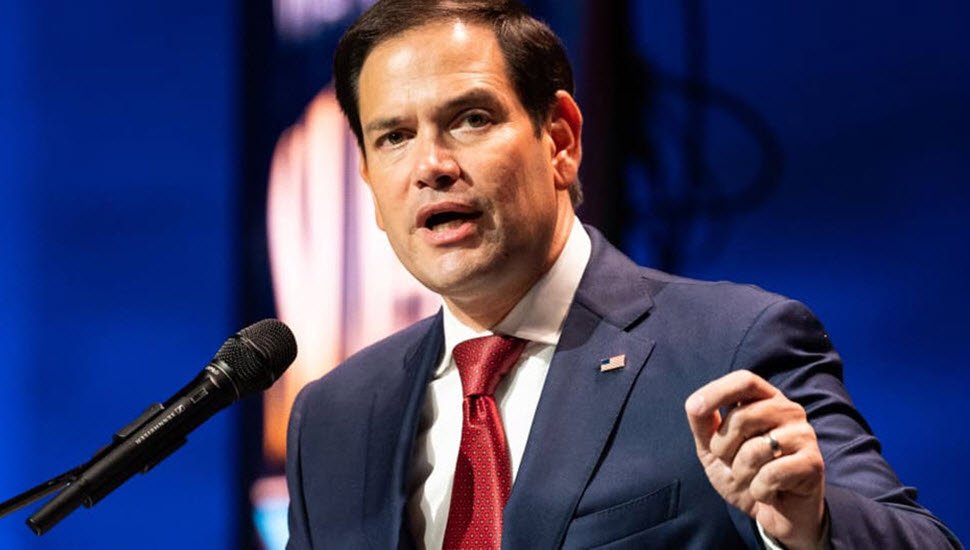
US Secretary of State Marco Rubio will travel to the United Arab Emirates, Kuwait and Bahrain from Tuesday through Thursday in what will be his first visit to the Middle East since the signing of the recent memorandum of understanding between Washington and Tehran.
State Department spokesman Tommy Pigott said the trip comes as the implementation of the US-Iran memorandum continues to be assessed and as regional security issues remain at the center of diplomatic consultations.
According to the State Department, ensuring the free, full and safe passage of commercial shipping through the Strait of Hormuz will be among the most important topics discussed during Rubio’s meetings with Gulf leaders.
The implementation of the memorandum, regional stability and broader security cooperation are also expected to feature prominently on the agenda.
Pigott said Rubio will hold talks with senior officials in the United Arab Emirates, Kuwait and Bahrain. During his visit to Bahrain, he is also scheduled to participate in a meeting with representatives of the Gulf Cooperation Council (GCC).
Washington says the purpose of the visit is to strengthen coordination with regional partners and discuss shared economic, political and security priorities.
The trip comes at a time when the Strait of Hormuz, energy market stability and the implementation of commitments made under the recent US-Iran understanding have become central issues in regional and international diplomacy.
For Gulf states, the security of maritime trade routes remains a strategic priority, particularly given the importance of the Strait of Hormuz as one of the world’s most critical energy corridors.
From Nimruz TV’s perspective, Rubio’s visit represents an early effort by Washington to reassure regional allies following the US-Iran memorandum and to coordinate expectations regarding its implementation. The discussions are likely to focus not only on maritime security and energy markets, but also on how Gulf partners view the broader regional implications of the evolving relationship between Tehran and Washington.