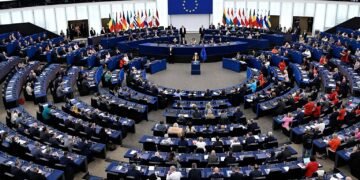

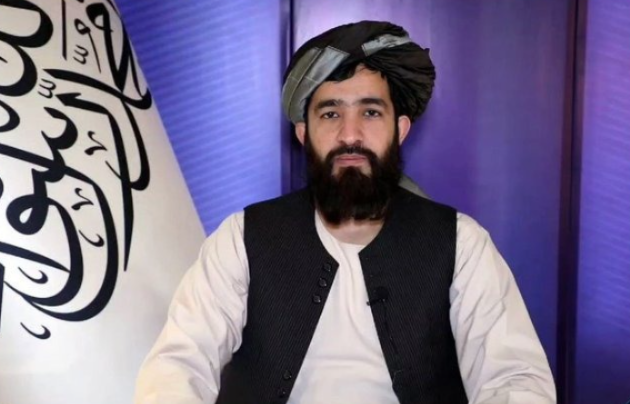
A five-member Taliban delegation led by Abdul Qahar Balkhi, spokesman for the group’s Ministry of Foreign Affairs, is expected to travel from Türkiye to Brussels on Tuesday for talks with European Union officials, according to sources familiar with the matter.
Sources told Nimruz TV that visas have been issued for all members of the delegation and that the group is scheduled to hold a meeting lasting approximately three hours with EU representatives later in the evening.
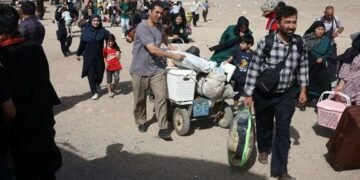
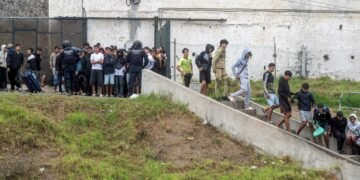
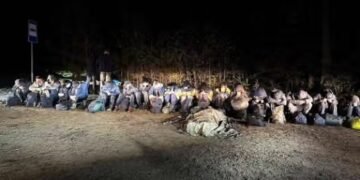
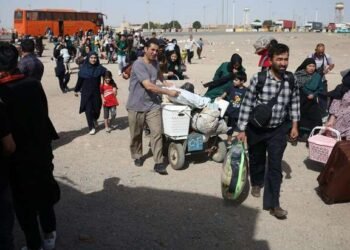
The delegation has been invited by the European Commission to discuss the return of Afghan nationals whose asylum applications have been rejected, along with several other technical matters related to migration and administrative cooperation.
The European Commission has repeatedly stated that the discussions are being held at a technical level and do not constitute recognition of the Taliban as the legitimate government of Afghanistan.
Belgium, which hosts the institutions of the European Union, had previously indicated that it does not normally issue visas to Taliban officials. However, Belgian authorities noted that, as the host country of EU institutions, they are obliged to facilitate access for participants invited to official European meetings.
Belgium’s Foreign Ministry told Nimruz TV on Monday that visas had not yet been issued at that stage. However, The New York Times later reported, citing Foreign Ministry spokesman Laurence Saenen, that five visas were granted to members of the Taliban delegation late Monday afternoon.
According to the report, the visas are valid for only one day. Belgian authorities have declined to provide additional details regarding the delegation’s arrival schedule, citing security and public order considerations.
Sources also said that Hedayatullah Paktin, Deputy Director of Foreign Relations at the Taliban’s Ministry of Interior, is among the members of the delegation.
The planned visit has generated strong reactions from human rights organizations, Afghan women’s rights activists, members of the European Parliament and civil society groups.
Critics argue that hosting Taliban representatives in Brussels risks providing political legitimacy to a group that continues to face international criticism over restrictions on women, girls, media freedom and political dissent.
European officials, however, maintain that the meeting is focused exclusively on practical migration issues and should not be interpreted as a political endorsement of the Taliban.
From Nimruz TV’s perspective, the Brussels meeting highlights the increasingly difficult balance European governments face between managing migration challenges and maintaining pressure on the Taliban over human rights concerns. While the EU describes the engagement as technical, the political symbolism of hosting Taliban officials in the heart of Europe is likely to remain controversial.