
The British and Italian diplomatic missions in Afghanistan have reaffirmed their commitment to supporting displaced people, returnees and vulnerable Afghan families, marking World Refugee Day with renewed calls for international solidarity.
In a message published on Saturday, the British Embassy praised the resilience and determination of Afghan refugees and migrants, emphasizing that the United Kingdom will continue providing humanitarian assistance through the International Organization for Migration (IOM) to support families returning to Afghanistan.
The embassy stressed that “no one should be forgotten or left behind” in efforts to assist the country’s most vulnerable communities.
In a separate statement, the Italian Embassy in Afghanistan reiterated its commitment to supporting internally displaced persons, returnees and host communities across the country.
Italy also called for stronger international cooperation to improve living conditions for displaced populations and to strengthen the capacity of communities receiving large numbers of returning Afghans.
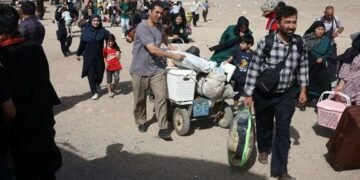
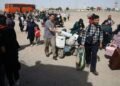
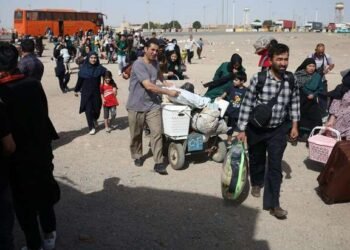
The statements come as humanitarian agencies warn of growing challenges linked to the large-scale return of Afghan migrants from neighboring countries.
According to the United Nations Office for the Coordination of Humanitarian Affairs (OCHA), more than six million Afghans have returned from neighboring countries since 2023.
OCHA has warned that many returnees are arriving in areas already struggling with poverty, unemployment and limited access to essential services, increasing pressure on local communities and humanitarian resources.
International organizations have repeatedly cautioned that the continued return of large numbers of Afghans without sufficient support could deepen existing humanitarian challenges and place additional strain on already fragile public services.
The situation has prompted renewed calls for increased international assistance, with aid agencies urging donor countries to maintain support for vulnerable Afghans as the country continues to face economic hardship, displacement and humanitarian needs.
For many returning families, access to shelter, healthcare, education and livelihoods remains among the most urgent challenges as they attempt to rebuild their lives in communities facing significant economic pressures.