

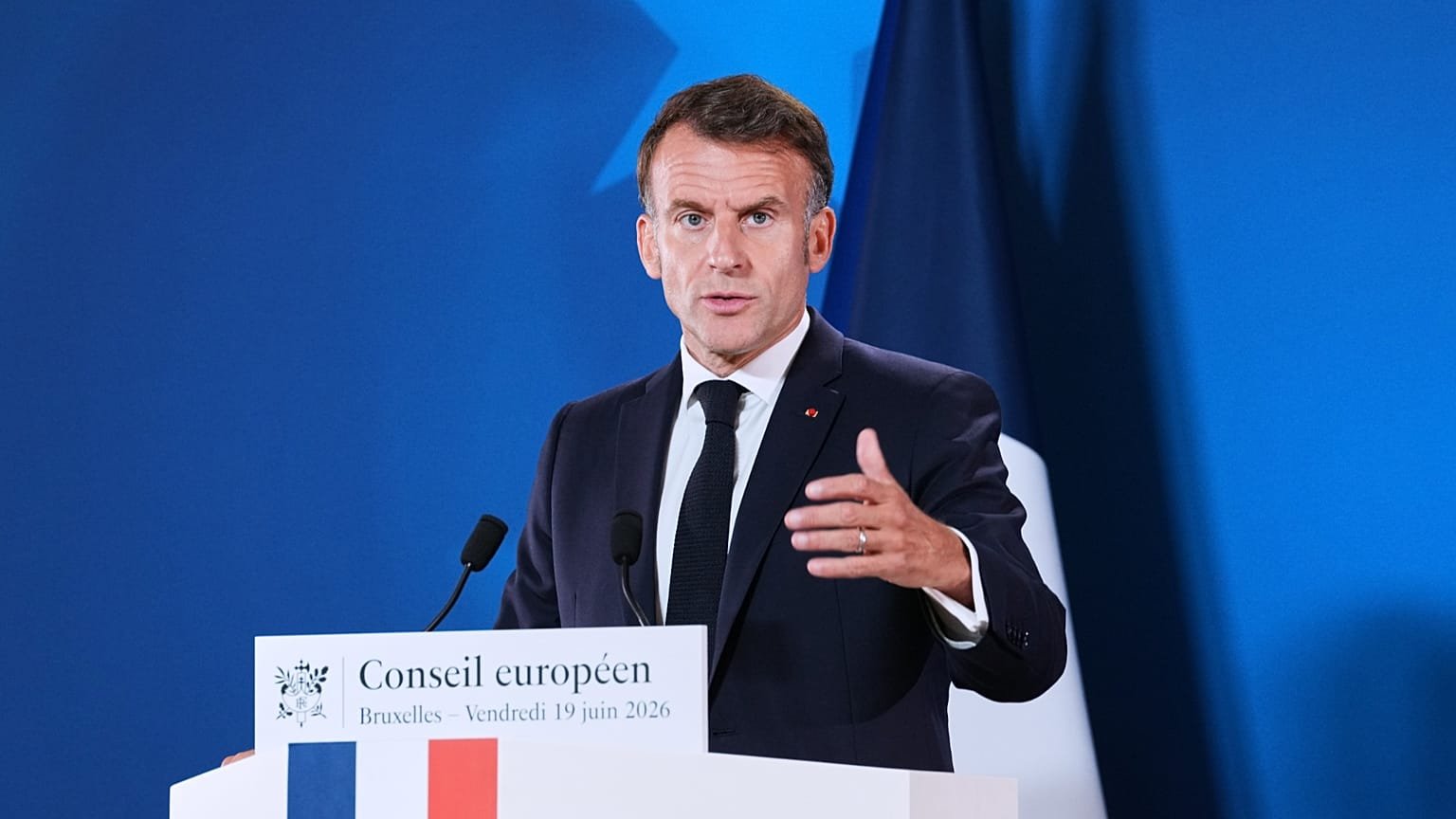
French President Emmanuel Macron has rejected proposals to establish special centers outside the European Union for transferring asylum seekers whose protection claims have been rejected.
The position was announced as the European Union begins implementing its new Migration and Asylum Pact, which entered into force on June 12, 2026.
Several European countries, including Germany, have expressed support for the idea of creating external return centers, arguing that such facilities could help accelerate the return of migrants who do not have the legal right to remain in the European Union.
However, Macron made clear that France does not support the proposal.
“In France’s case, our answer to return hubs is no, because I do not believe they are effective and I do not believe they are consistent with our principles,” the French president said.
The EU Migration and Asylum Pact, adopted in 2024, was designed to strengthen control of the bloc’s external borders, speed up asylum procedures and improve the effectiveness of returning individuals who are not granted legal residence.
Supporters of offshore return centers argue that the system could reduce pressure on European asylum systems and discourage irregular migration.
Critics, however, have raised concerns about legal accountability, human rights protections and the practical effectiveness of processing or accommodating migrants outside EU territory.
The debate reflects broader divisions among EU member states over migration policy, one of the most politically sensitive issues facing the bloc.
While some governments advocate stricter enforcement measures and faster deportation procedures, others emphasize humanitarian obligations and compliance with international refugee law.
As implementation of the new migration framework continues, discussions over return policies, border management and burden-sharing among member states are expected to remain at the center of European political debate.
The disagreement between Paris and several other European capitals highlights the ongoing challenge of reaching a common approach to migration within the European Union.