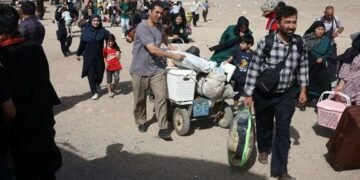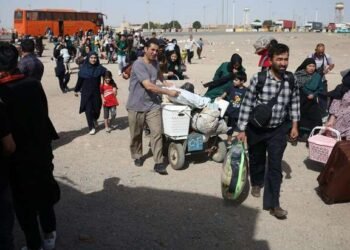

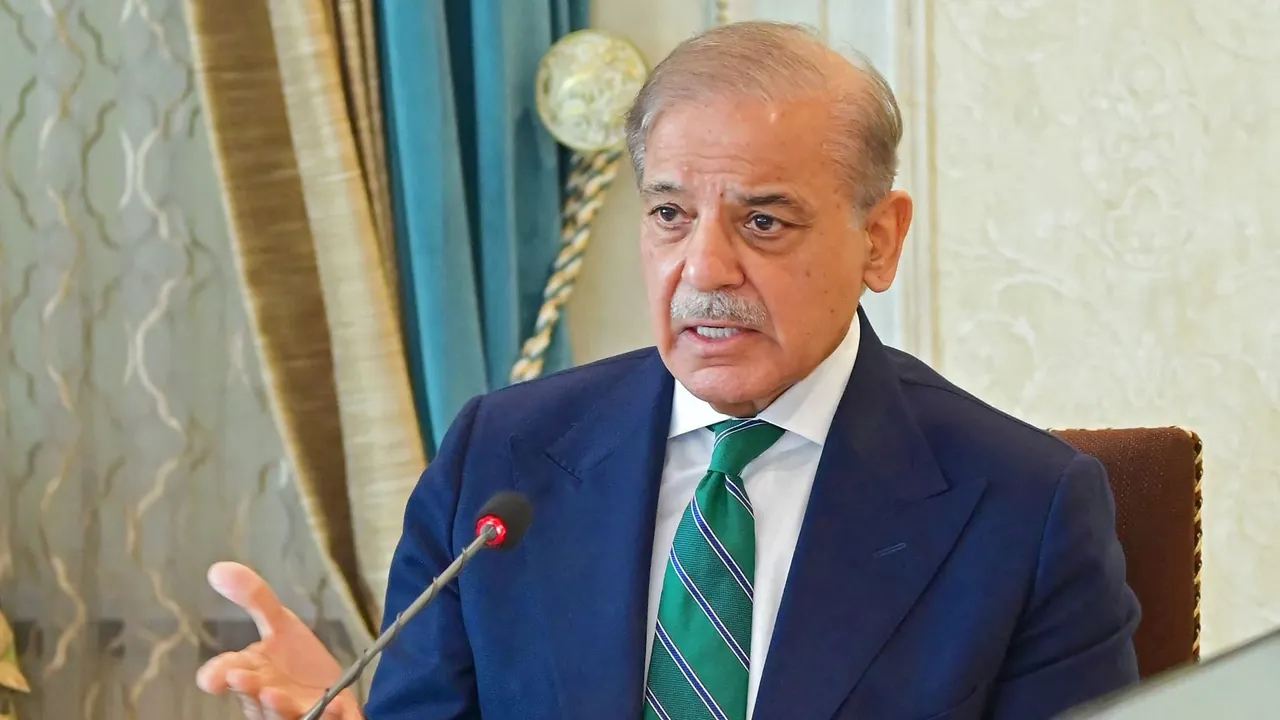
Pakistan’s Prime Minister Shehbaz Sharif has announced that more than 2.4 million Afghan nationals have returned to Afghanistan since September 2023 under what he described as a phased repatriation program.
In a message marking World Refugee Day, Sharif said the process had been carried out in an orderly manner while respecting human dignity and reaffirmed Pakistan’s commitment to its humanitarian responsibilities.
The Pakistani prime minister stated that his country’s treatment of refugees reflects a long tradition of human solidarity and argued that the international community should recognize the efforts made by host countries facing large refugee populations.
However, reports from the United Nations High Commissioner for Refugees (UNHCR) indicate that a significant portion of Afghan returns in recent years have occurred amid pressure, deportation measures and unilateral policies implemented by Pakistani authorities.
International organizations have repeatedly expressed concern about the humanitarian consequences of large-scale returns and have called for the protection of refugee rights and the principle of voluntary repatriation.
The issue has become increasingly significant as Pakistan continues efforts to reduce the number of undocumented foreign nationals residing in the country.
In recent months, the continued return of Afghan migrants has placed additional pressure on Afghanistan’s economy, public services and infrastructure, which are already facing significant challenges.
Aid organizations warn that many returnees face difficulties securing housing, employment, healthcare and educational opportunities after arriving in Afghanistan.
The repatriation issue remains one of the most sensitive topics in relations between Afghanistan and Pakistan, with humanitarian agencies urging greater international support for both host communities and returning families.
As regional governments and international organizations continue discussions on migration management, the situation of Afghan returnees is expected to remain a major humanitarian and policy concern.