
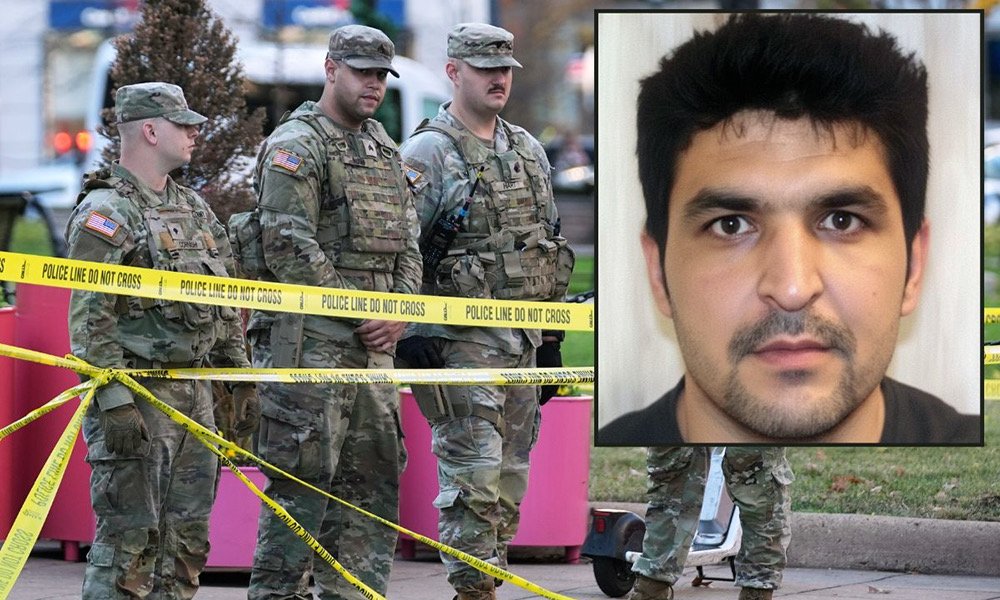
Federal prosecutors in the United States have announced that they will seek the death penalty against Rahmanullah Lakhanwal, a 29-year-old Afghan citizen accused of killing a member of the U.S. National Guard and seriously injuring another service member in Washington, D.C.
Lakhanwal appeared in federal court in Washington on Tuesday, where he faced a new set of charges that could make him eligible for capital punishment if convicted.
The defendant pleaded not guilty to all charges.
According to the updated indictment, Lakhanwal faces 17 federal charges, including premeditated armed murder of a National Guard member, attempted murder of three additional individuals, assault with intent to kill, transportation of a firearm for use in a crime and using a weapon during a violent criminal offense.
Prosecutors allege that on November 26, 2025, Lakhanwal fatally shot Sarah Bextrom, a 20-year-old member of the West Virginia National Guard, and severely wounded Andrew Wolf, a member of both the U.S. Air Force and the West Virginia National Guard.
Authorities say the attack was ultimately stopped by two other service members who were present at the scene. According to prosecutors, the two intervened using gunfire and a knife, preventing further casualties.
Federal investigators also allege that Lakhanwal traveled from Washington State to Washington, D.C., carrying a stolen .357 Magnum revolver and had planned the attack in advance.
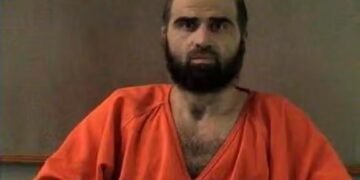
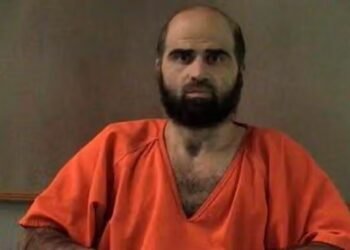
U.S. media reports said he appeared in court wearing an orange prison uniform and seated in a wheelchair.
Lakhanwal, who has been identified as a former Afghan commando, had previously faced murder, assault and firearms-related charges. However, the newly expanded federal indictment now allows prosecutors to pursue the death penalty.
Sarah Bextrom, the soldier who died in the attack, had reportedly volunteered to cover a work shift for colleagues with children so they could spend the Thanksgiving holiday with their families. She died one day after the shooting.
Andrew Wolf survived his injuries following medical treatment and later attended the President’s annual address to Congress.
The case is expected to remain under close public scrutiny as federal court proceedings continue and prosecutors pursue one of the most severe penalties available under U.S. law.