
Spain and Uruguay arrive at the 2026 FIFA World Cup with different footballing identities but a common objective: competing for the sport’s biggest trophy.
Many analysts consider both nations among the strongest contenders heading into the tournament, although their paths to success are expected to look very different.
Spain enters the World Cup during a period of significant transformation. For the first time in the country’s World Cup history, the national team will compete without a single Real Madrid player in its squad, a symbol of the generational change reshaping Spanish football.
Head coach Luis de la Fuente has built a team centered on unity, tactical discipline and collective responsibility. His ability to adapt formations and adjust strategies during matches has become one of Spain’s greatest strengths.
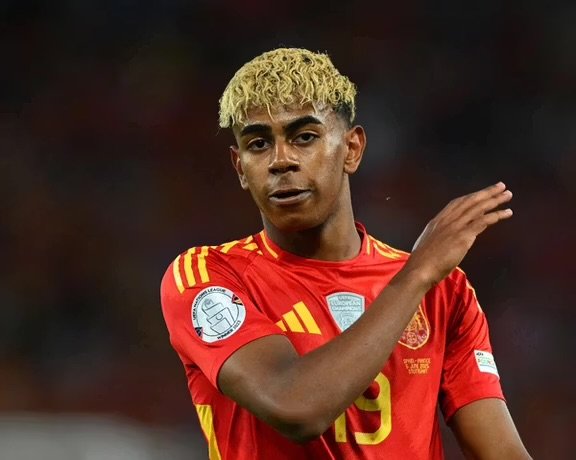
At the heart of Spain’s ambitions is rising star Lamine Yamal. The young winger will still be only 19 years old before the semi-final stage of the tournament, yet many observers already view him as a player capable of influencing the outcome of major international competitions.
Uruguay, meanwhile, enters the tournament under the leadership of Marcelo Bielsa, one of football’s most influential and demanding managers.
Bielsa’s teams are known for relentless pressing, high intensity and constant movement. Uruguay’s aggressive style makes them one of the most unpredictable and dangerous opponents in the competition.
Leading the new generation of Uruguayan football is captain Federico Valverde. The versatile midfielder is widely regarded as the engine of the team thanks to his physical strength, tactical intelligence and leadership qualities.
While Spain hopes Yamal’s creativity can unlock defenses and decide key moments, Uruguay will rely on Valverde’s energy and all-around influence to drive the team forward.
From a Nimruztv perspective, both teams represent modern football in different forms. Spain combines technical quality, possession and tactical flexibility, while Uruguay brings intensity, resilience and relentless pressure.
If their paths cross during the knockout stages, a meeting between Spain and Uruguay could become one of the most compelling stories of the 2026 FIFA World Cup and a showcase of two contrasting visions of the modern game.