
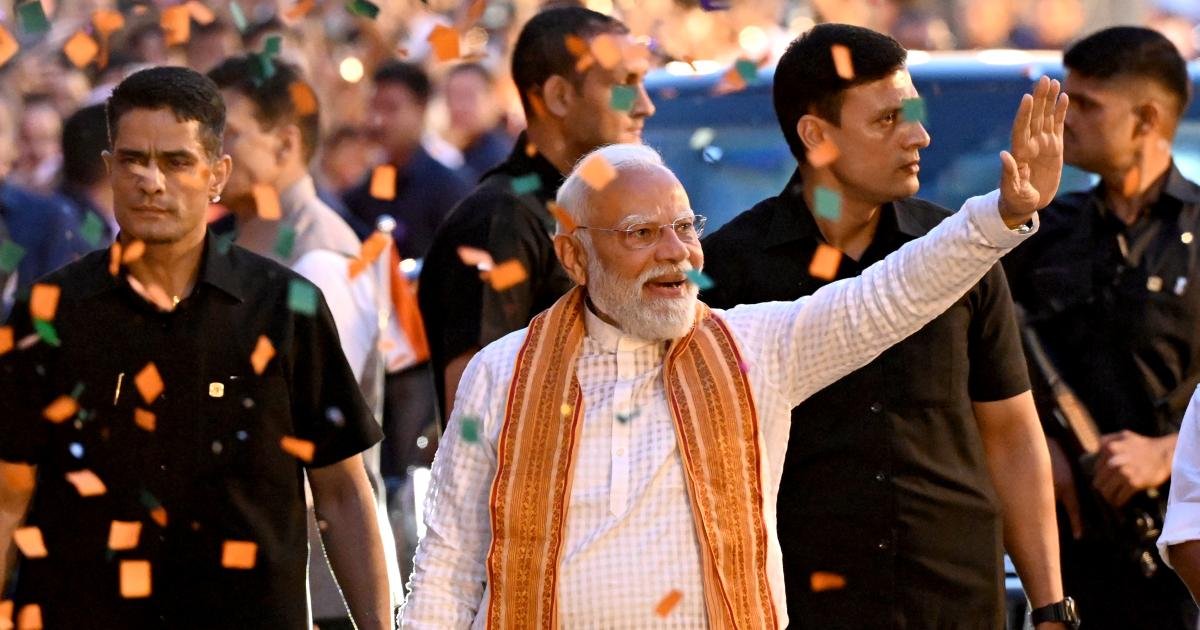
Indian Prime Minister Narendra Modi has urged citizens to reduce fuel consumption, avoid unnecessary travel, and limit certain expenses as global energy prices continue rising amid disruptions in the Strait of Hormuz.
Modi stressed that India must now pay “special attention” to preserving its foreign currency reserves under current economic conditions.
He called on the public to revive practices seen during the COVID-19 pandemic, including working from home, expanding online meetings, and increasing the use of public transportation.
The Indian prime minister also described gold purchases during weddings and unnecessary foreign travel as avoidable for at least the next year.
Modi further characterized reducing edible oil consumption as both a “healthy” and “patriotic” act.
In addition, he urged Indian farmers to cut their use of chemical fertilizers by half.
Despite the surge in global energy prices, the Indian government has stated that it currently has no plans to raise domestic fuel prices.
The remarks come as disruptions in the Strait of Hormuz and rising oil prices place mounting pressure on energy-importing economies around the world.
India, which imports more than 85 percent of its crude oil needs, is considered one of the world’s most vulnerable major economies to fluctuations in global energy markets.
Economic analysts warn that a prolonged energy crisis could directly affect inflation, weaken the Indian rupee, and slow the country’s economic growth.
Analysts say the government’s appeal for changes in public consumption behavior reflects growing concern in New Delhi that the Hormuz crisis and energy market instability may continue for an extended period.
The comments also signal increasing efforts by the Indian government to frame economic restraint and reduced consumption as part of a broader national response to global uncertainty.