
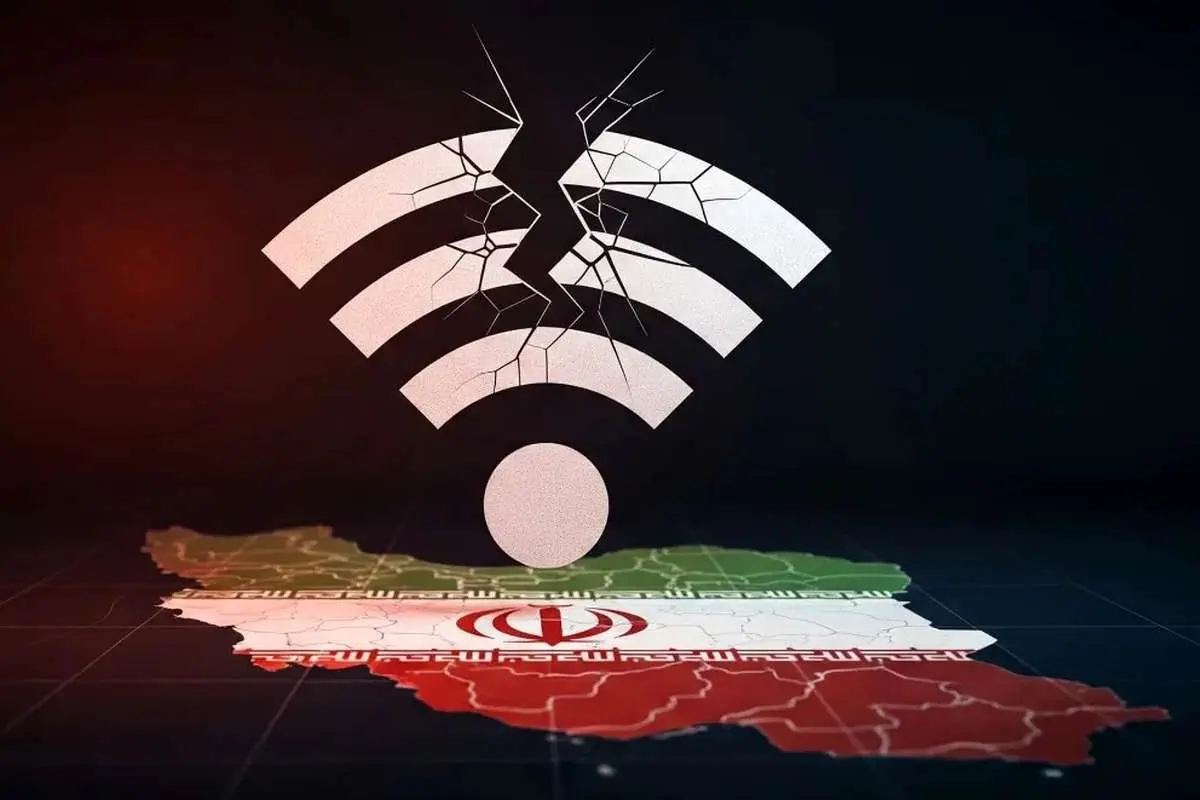
A senior Iranian lawmaker has said authorities in Iran have concluded that “connecting everyone to the internet is not in the public interest,” adding that international internet access will not be fully restored under current conditions.
Ali Yazdikhah, deputy head of the Cultural Commission of Iran’s parliament, said the restrictions were imposed under decisions made by Iran’s Supreme National Security Council due to “security and national security concerns.”
Despite limitations on global internet access, he claimed that banking services, online transactions, and certain digital services continue to operate and that people are “not facing major problems.”
The Iranian official also stated that limited international internet access has been provided to specific individuals and institutions considered by authorities to require it.
Yazdikhah added that “more than 90 percent of people’s needs” are being met under the current system and that remaining problems are “manageable.”
His remarks come as economic experts and technology activists continue to warn about the consequences of internet shutdowns and restrictions.
Critics say widespread internet limitations can inflict major damage on online businesses, digital trade, freelance work, startups, and public communications while increasing economic pressure.
Iran has repeatedly restricted or shut down access to the global internet during protests, political crises, and security tensions in recent years.
Such measures have consistently drawn criticism from human rights organizations and internet freedom advocates.
Analysts say the latest comments suggest that Iranian authorities increasingly view access to the global internet not as a universal public service, but as a controlled and selective privilege tied to state security considerations.
Observers also note that Iran appears to be moving further toward a nationally controlled internet infrastructure in which domestic digital services gradually replace unrestricted global access.
Critics warn that such policies could deepen digital isolation, limit freedom of information, and place additional pressure on Iran’s already fragile digital economy.