
India’s representative to the United Nations has declared that targeting commercial vessels, threatening civilian crews, and disrupting freedom of navigation in the Strait of Hormuz are “unacceptable.”
Parvathaneni Harish made the remarks during a special session of the UN Economic and Social Council focused on the global energy and fertilizer crisis.
He stressed that international laws governing the Strait of Hormuz must be fully respected.
The Indian representative added that addressing the current crisis requires a combination of short-term measures, structural reforms, and international cooperation.
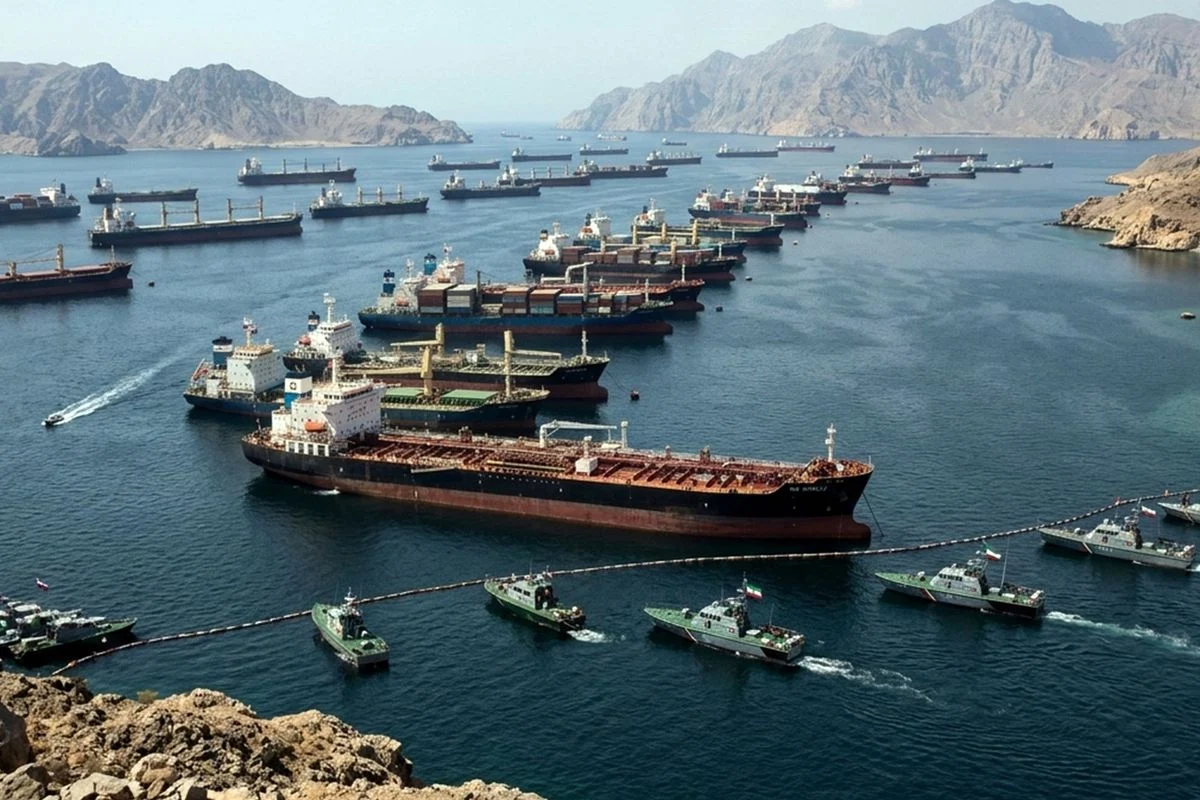
The Strait of Hormuz is one of the world’s most critical energy corridors, carrying around 20 percent of global oil consumption and approximately 35 percent of the world’s fertilizer trade.
The waterway has faced severe disruption following its closure by the Islamic Republic and attacks targeting commercial shipping.
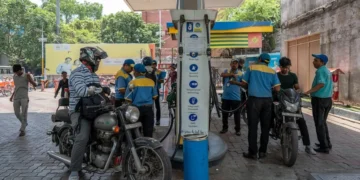
India, one of the world’s largest energy importers, is increasingly concerned about instability in Hormuz because disruptions in the route could directly affect the country’s economy, inflation, and food security.
Harish also warned that continued tensions could further disrupt global fertilizer supply chains and impact agricultural production worldwide.
Analysts say India’s position demonstrates that the Hormuz crisis is no longer viewed solely as a regional confrontation but increasingly as a threat to international trade and global economic stability.
Experts further note that concerns among major Asian economies are growing as prolonged instability in Hormuz could trigger broader increases in energy costs, shipping risks, and food prices across global markets.