
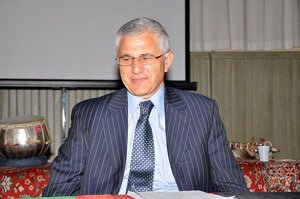
Former Afghan Information and Culture Minister Abdul Bari Jahani has sharply criticized the role of clerics in Islamic societies, saying religious leaders have been among the main causes of decline, division, and instability.
Speaking in an interview with “Sufi Podcast,” Jahani said historical, religious, and scholarly sources all point to the failure of extremist religious leadership.
“If I speak with them, I have documents, books, history, and religion itself showing that they have failed and caused decline and division,” he said.
Jahani also linked Afghanistan’s current situation to the influence of hardline religious figures, arguing that clerics played a significant role in shaping the country’s ongoing crises.
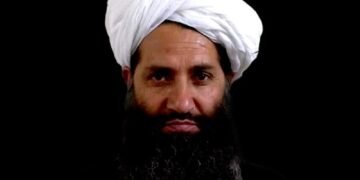
His remarks come as the Taliban, a religious movement, approach nearly five years in power following their return to control of Afghanistan in August 2021.
Jahani is widely known as one of Afghanistan’s prominent literary and cultural figures. His comments are being viewed as part of a broader wave of criticism from Taliban opponents and religious intellectuals who argue that rigid interpretations of religion have deepened Afghanistan’s political and social crises.
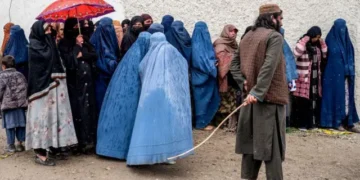
Critics of the Taliban say the group has expanded its hardline religious policies across Afghanistan’s education system, social structure, and political institutions since returning to power.
According to opponents, those policies have severely affected civil liberties, women’s education, and Afghanistan’s international relations.
The Taliban, however, continue to defend their policies as necessary measures based on Islamic law and essential for preserving what they describe as an Islamic system.
Jahani’s remarks have triggered widespread debate on social media, reigniting discussions over the role of religion, political authority, and religious leadership in Afghanistan’s future.