
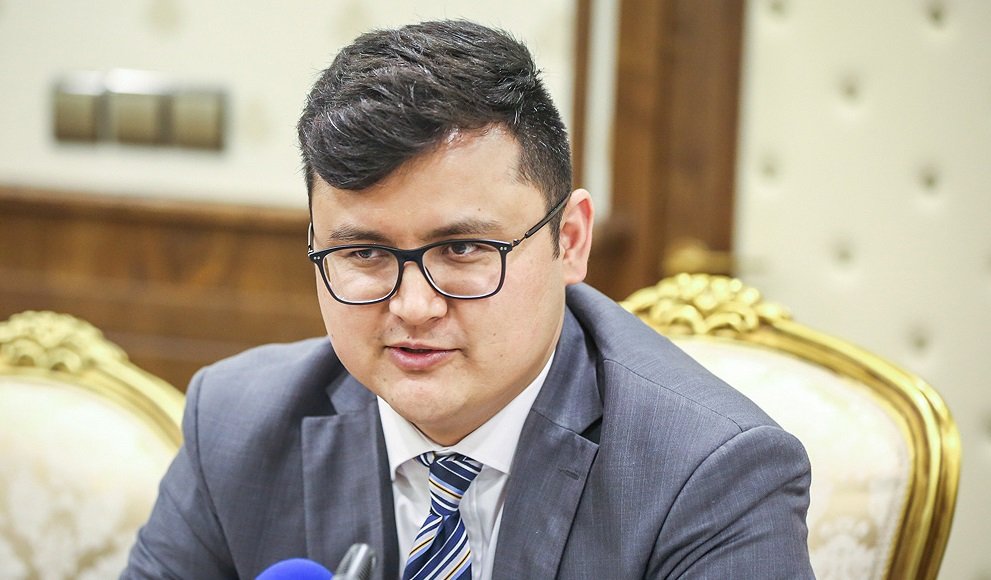
Tamim Asey, former Afghan deputy defense minister and military affairs analyst, has sharply criticized Pakistan’s recent policies, describing the country as a “military dictatorship” controlled by the army chief and the ISI intelligence agency.
In strongly worded remarks, Asey accused Islamabad of using certain Afghan figures for media and political purposes, referring to them as “uninformed traitors.”
He also emphasized that Afghanistan “has its own people and defenders,” describing a new generation of Afghans as educated, nationally conscious, and committed to the country regardless of social or cultural differences.
The remarks come amid continued tensions between Afghanistan and Pakistan over border security, militant activity, political influence, and regional rivalry.
Asey’s comments reflect a broader current of nationalist rhetoric that has increasingly emerged in Afghan political discourse in response to Pakistani policies and perceived interference.
At the same time, the use of emotionally charged language highlights how deeply historical distrust and geopolitical competition continue to shape public and political narratives between the two neighboring countries.
Observers warn that while such rhetoric may resonate domestically, escalating verbal confrontation risks further straining already fragile regional relations.