
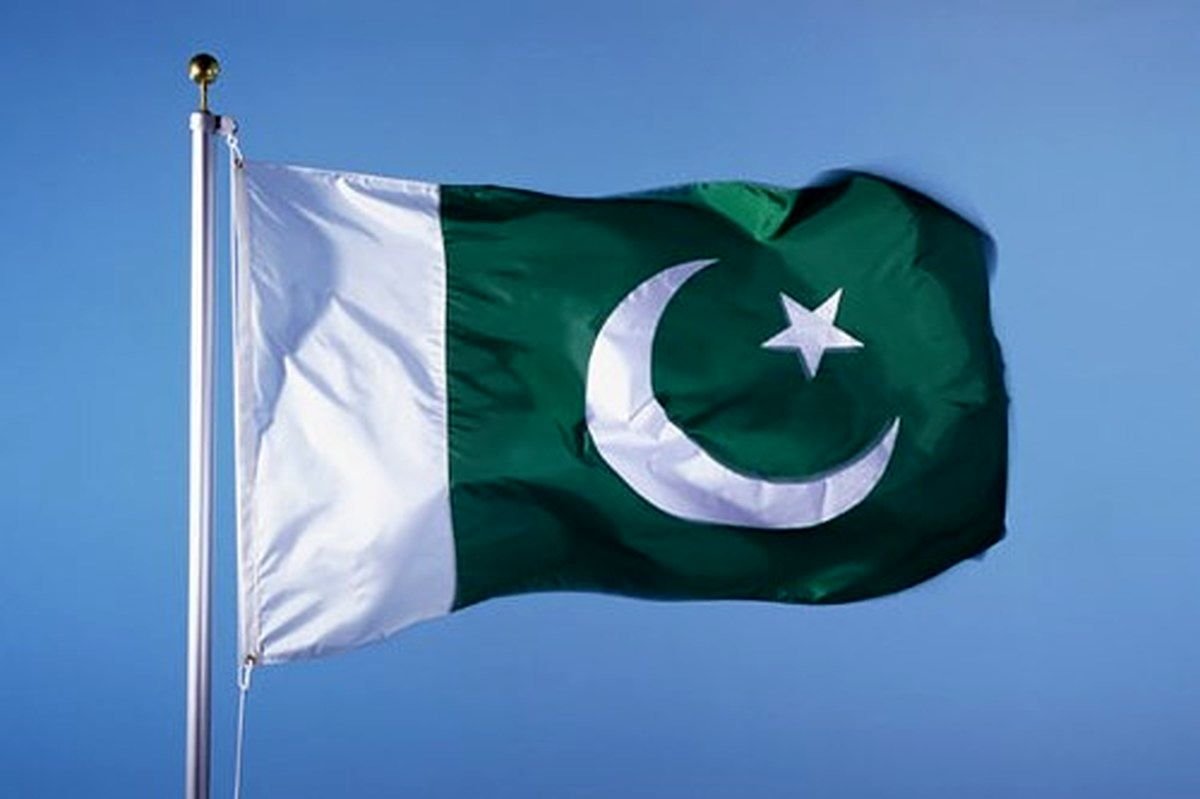
One year after the four-day conflict between India and Pakistan in May 2025, military competition between the two nuclear-armed South Asian rivals appears to be entering a new phase.
Pakistan has reportedly reached a preliminary agreement with China to acquire fifth-generation J-35 stealth fighter jets, a move analysts say could significantly alter the regional air power balance.
The Pakistani Air Force announced on Thursday that, alongside the possible J-35 acquisition, Islamabad will also receive additional J-10C fighter jets from China while upgrading its jointly produced JF-17 fleet.
The developments highlight deepening military and technological cooperation between China and Pakistan at a time of rising strategic competition in the region.
India, meanwhile, still does not possess an operational fifth-generation fighter aircraft. Despite its acquisition of French Rafale jets and its large fleet of Russian Sukhoi aircraft, India’s indigenous fifth-generation fighter project, known as AMCA, remains in the early stages of development.
Military analysts believe that even the deployment of two or three squadrons of J-35 fighters could reshape regional aerial dynamics and increase pressure on India to accelerate modernization efforts.
The evolving competition reflects a broader regional arms race in which air superiority, stealth capability, and defense partnerships are becoming increasingly central to strategic deterrence in South Asia.
At the same time, observers warn that continued military escalation between two nuclear powers carries risks that extend far beyond conventional defense competition.