
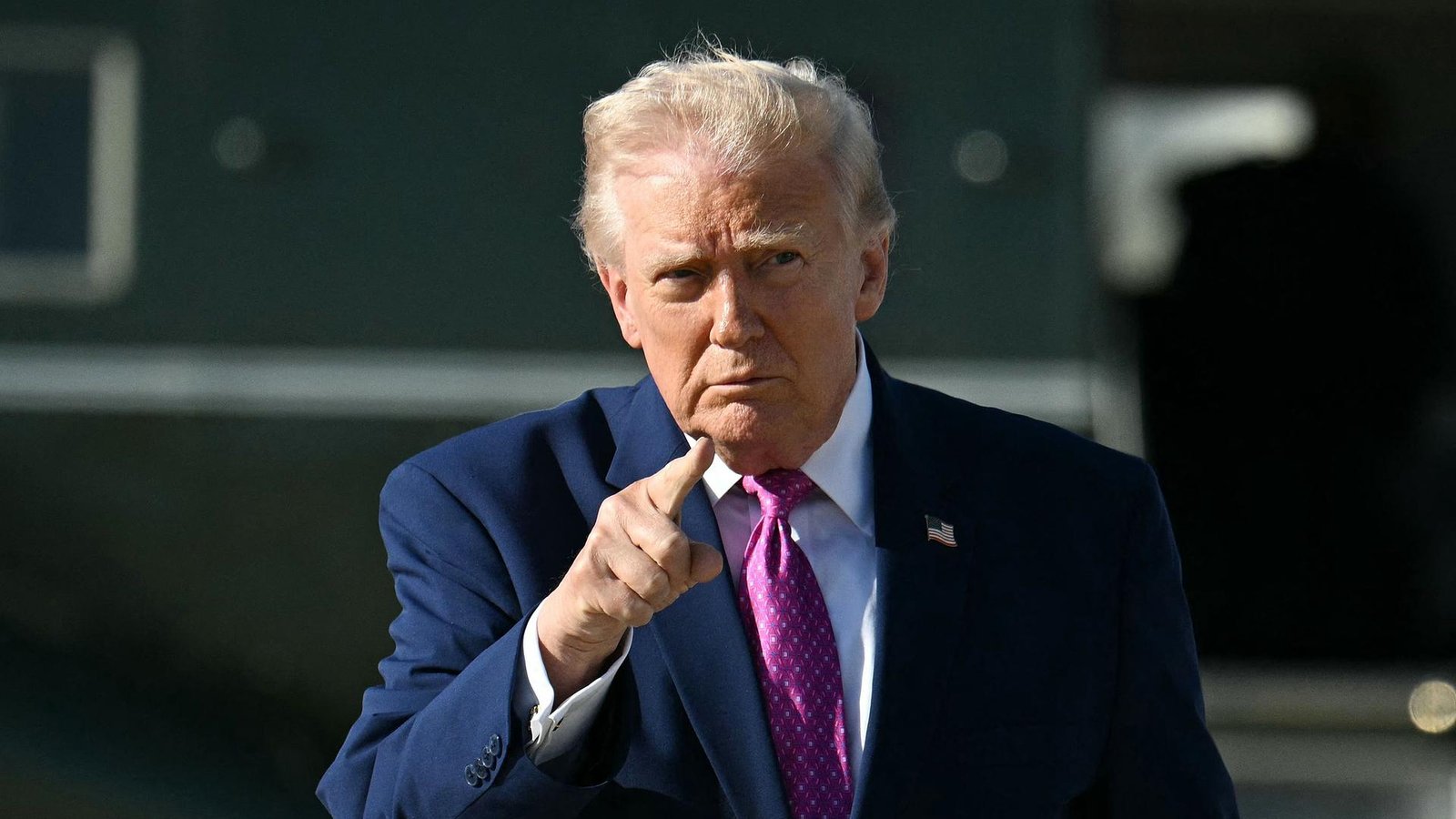
US President Donald Trump has said a potential agreement with Iran aimed at ending current tensions could be reached within the next two to three days, raising expectations of a possible diplomatic breakthrough after months of uncertainty.
Speaking to reporters on Tuesday, Trump said negotiations had entered the final stages of what he described as a “very good agreement.” According to the US president, both sides are moving closer to a deal that could address several of the key issues that have fueled tensions between Washington and Tehran.
Trump suggested that the talks were approaching a decisive moment and that a final outcome could emerge within days if the remaining issues are resolved.
The US president also claimed that a successful agreement would lead to the immediate reopening of the Strait of Hormuz and help reduce concerns about maritime security in one of the world’s most strategically important waterways.
He stressed that any future agreement would be designed to prevent Iran from obtaining a nuclear weapon, describing that objective as a central element of the negotiations.
“This agreement will in no way allow Iran to acquire a nuclear weapon,” Trump said.
His remarks come amid continued international attention on relations between Iran and the United States, as well as broader security developments across the Gulf region. Diplomatic efforts in recent months have focused on reducing tensions, addressing concerns over Iran’s nuclear activities, and preventing further escalation that could destabilize regional security.
The Strait of Hormuz remains a critical route for global energy supplies, with a substantial share of the world’s oil and liquefied natural gas exports passing through the narrow waterway. Any improvement in security conditions there could have significant implications for international shipping, energy markets, and regional stability.
While Trump’s comments have fueled speculation about an imminent breakthrough, important details of any potential agreement remain unclear. Neither the scope of the proposed deal nor the specific commitments expected from each side have been publicly disclosed.
At the time of publication, Iranian officials had not issued an official response to the latest statements from the US president. As a result, it remains uncertain whether Tehran shares Washington’s assessment of the negotiations or believes an agreement is close.
The coming days could prove critical for the future of US-Iran relations. If a deal is reached, it may ease tensions that have shaped regional politics and security calculations for years. If negotiations fail, however, uncertainty and confrontation could continue to dominate one of the Middle East’s most sensitive geopolitical disputes.