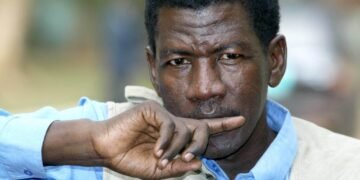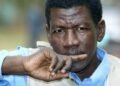

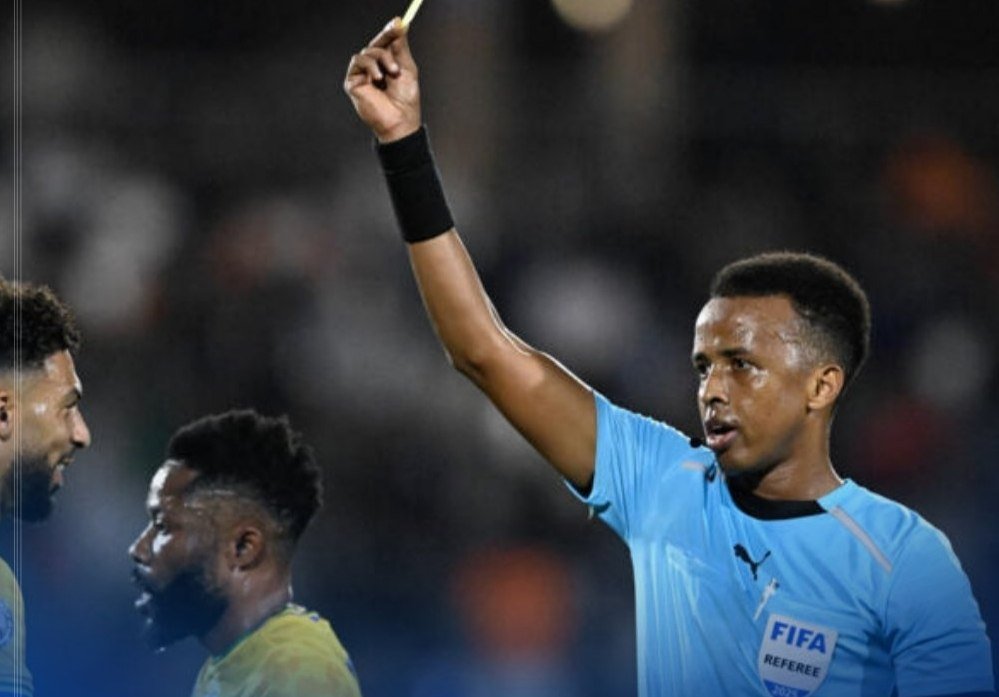
A Somali referee selected to officiate at the FIFA World Cup has been removed from the tournament after being denied entry to the United States, according to international media reports.
FIFA confirmed that Omar Abdulkadir Arten will no longer take part in the competition and will not perform any officiating duties during the tournament.
Arten had been set to make history as one of Somalia’s most prominent football officials and was among the 52 referees chosen by FIFA for the World Cup. His appointment was widely viewed as a major milestone for Somali football and for the development of refereeing in East Africa.
Following the US decision to deny his entry, FIFA removed his name from the official list of match officials assigned to the competition.
In a statement, FIFA said it does not intervene in immigration matters and that decisions regarding visas and entry permissions fall under the authority of the relevant national institutions.
The Somali Football Federation reacted to the development by requesting clarification from FIFA regarding the circumstances surrounding the case. Football officials in Somalia said understanding the reasons behind the decision is important for both the national football community and the country’s sporting institutions.
The incident has reignited discussion about the impact of immigration policies on major international sporting events. Global tournaments depend on the participation of athletes, referees, officials, and support personnel from dozens of countries, making travel and visa issues increasingly significant.
For Somalia, the decision represents the loss of a rare opportunity to showcase one of its most accomplished referees on football’s biggest stage. Arten’s selection had been celebrated as a symbol of progress and international recognition for Somali football.
The case also highlights broader challenges facing international sports organizations when events are hosted in countries with strict immigration and visa policies. While FIFA organizes competitions, it has limited influence over sovereign decisions related to border control and immigration.
At the time of publication, US authorities had not publicly explained the reasons behind the decision to deny entry to the Somali referee. Without an official explanation, questions remain about what led to the exclusion of a match official who had already been selected by FIFA for one of the world’s most prestigious sporting events.
The incident is likely to fuel further debate about balancing national immigration policies with the logistical demands of global sporting competitions that rely on participation from across the world.