
Taliban authorities publicly displayed the bodies of two men across the streets of Herat on Thursday after the pair were killed during what officials described as a security operation against armed robbers in Injil district.
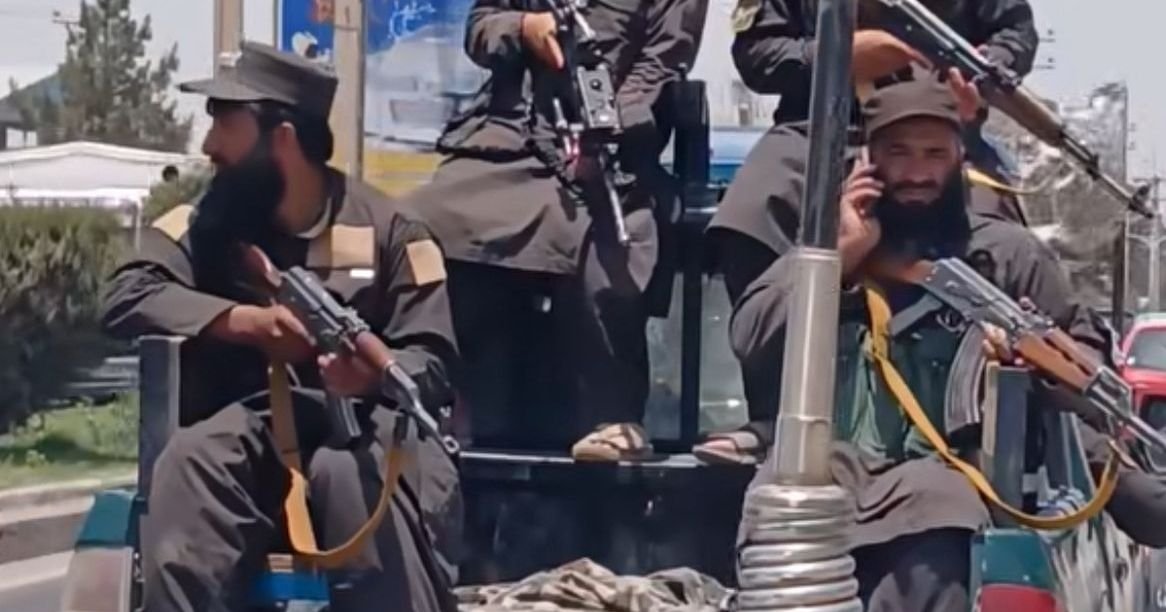
Witnesses and videos circulating on social media showed the bloodied bodies placed in the back of a Taliban military vehicle and transported through several parts of the city, drawing public attention and sparking widespread discussion among residents.
Taliban officials identified the deceased men as armed criminals and claimed they were killed during a confrontation with security forces while carrying out an armed robbery. However, authorities have not publicly released the identities of the men, detailed evidence supporting the accusations, or a comprehensive account of the incident.
The Taliban police command in Herat confirmed the deaths through an official video statement and accused the men of involvement in armed robberies.
The images quickly spread across social media platforms, generating reactions from residents who expressed concern over the psychological impact of such scenes on the public.
Several residents told local media that witnessing the bodies being displayed in public spaces created fear and anxiety among citizens, particularly children and families. Others warned that exposure to graphic scenes of violence could have long-term psychological consequences for communities.
The incident is not unprecedented. Similar public displays have been reported in Herat and other Afghan provinces since the Taliban returned to power. Taliban authorities have consistently defended such actions as a deterrent against crime and a warning to potential offenders.
According to statistics released by Taliban police in Herat, 882 individuals have been arrested on theft-related charges in the province during the past six months, reflecting what authorities describe as intensified efforts to combat criminal activity.
Human rights organizations and critics have repeatedly condemned the public display of bodies, arguing that such practices violate principles of human dignity and internationally recognized human rights standards.
NIMRUZ ANGLE
The incident highlights the Taliban’s continued reliance on highly visible and symbolic methods of law enforcement. Supporters of the approach argue that public displays serve as a deterrent in a country struggling with criminal activity, while critics contend that such practices prioritize fear over due process and risk normalizing public exposure to violence. The debate reflects broader questions about the balance between security, justice, and human dignity under Taliban rule.
FINAL ANALYSIS
The public display of the two bodies in Herat has once again placed Afghanistan’s criminal justice practices under scrutiny. Beyond the circumstances surrounding the deaths themselves, the incident raises wider concerns about transparency, due process, and the treatment of accused individuals. As the Taliban continue to emphasize deterrence-based security measures, the tension between maintaining public order and respecting human rights is likely to remain a central issue in both domestic and international discussions about governance in Afghanistan.