
A new investigative report by the Daily Mail has raised concerns that the practice known as “Bacha Bazi” continues in Afghanistan despite official claims that it has been banned.
Drawing on testimonies from alleged victims, human rights reports, and international documentation, the report states that vulnerable boys remain at risk of exploitation and abuse.
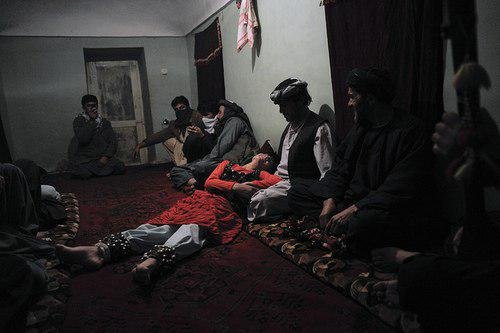
According to the investigation, some children from poor and marginalized backgrounds have reportedly been used for entertainment at private gatherings before becoming victims of sexual abuse.
Several alleged victims told researchers that they were left without psychological, medical, or social support after years of abuse.
The report also references findings from the United States Department of State’s Trafficking in Persons assessments, which have expressed concern over reports of child exploitation, child recruitment, and abuse involving minors in Afghanistan.
According to the investigation, reductions in international aid since 2021 have significantly weakened access to rehabilitation, counseling, and support services for survivors.
The report notes that the practice has existed in Afghanistan for decades and has been associated with different actors and power structures during various periods of the country’s history.
It further highlights the long-term physical and psychological consequences experienced by survivors, including depression, substance abuse, homelessness, and severe emotional trauma.
The Taliban have not responded to the specific allegations outlined in the report. However, Taliban authorities have previously stated that they oppose the practice of Bacha Bazi and consider it prohibited.
The report concludes by warning that children and women in Afghanistan remain vulnerable to exploitation and violence, while many victims continue to face significant barriers in accessing justice, protection, and rehabilitation services.
Human rights organizations have repeatedly called for stronger safeguards for children and greater support mechanisms for survivors of abuse across Afghanistan.