
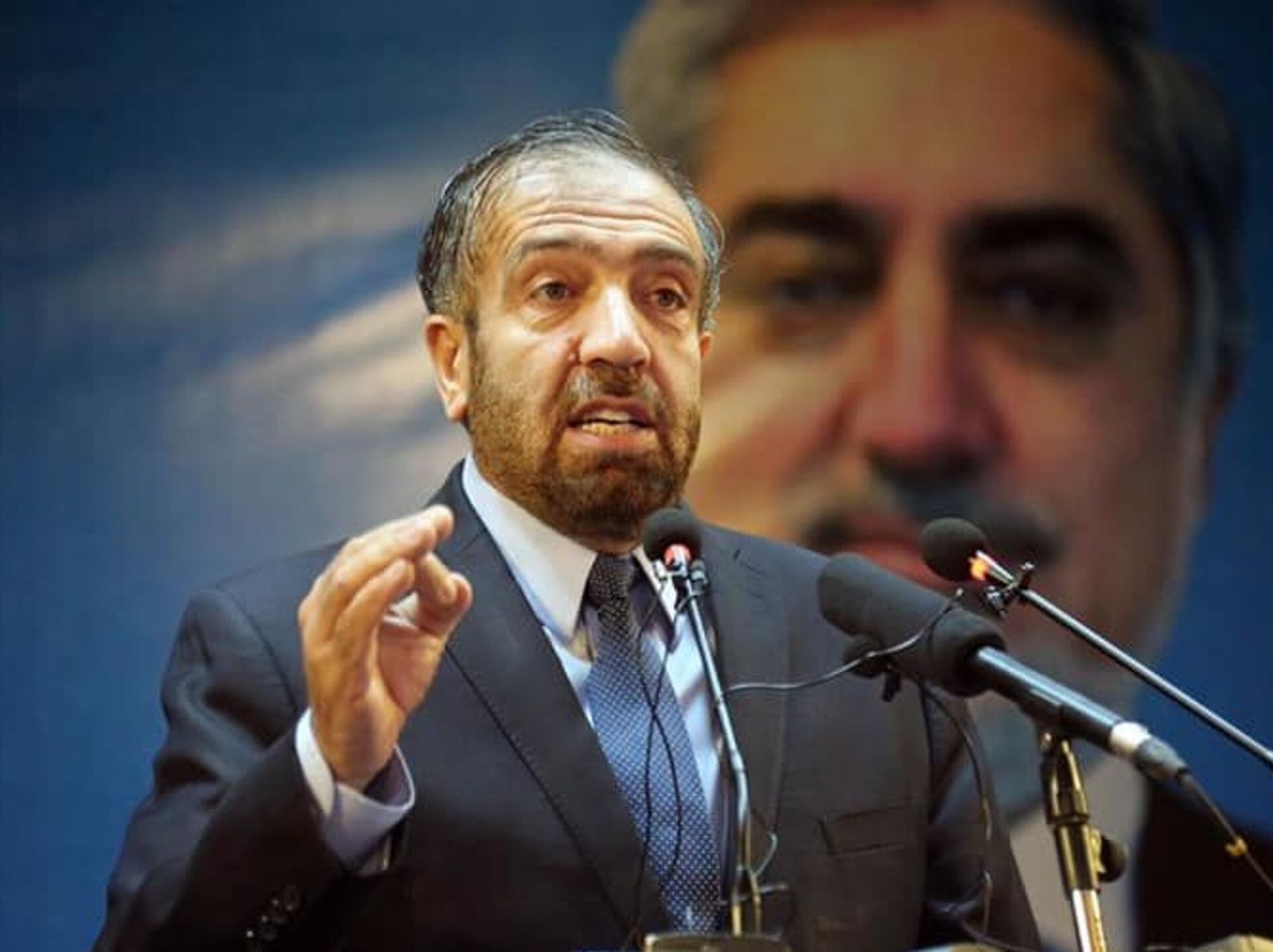
Fazel Ahmad Manawi, the former justice minister of Afghanistan’s previous government, has questioned Taliban leader Hibatullah Akhundzada’s authority to grant a general amnesty, arguing that Afghanistan’s crisis cannot be resolved through what he described as a symbolic call for forgiveness.
The reaction came after Akhundzada, in his Eid al-Adha message, once again urged political opponents and former officials to return to Afghanistan under the Taliban’s declared amnesty policy.
In response, Manawi wrote that the first question should be who has the authority to pardon whom.
Referring to decades of conflict and Afghanistan’s current situation, he argued that those who have contributed to destruction, poverty, crisis, and widespread restrictions should themselves be held accountable.
The former justice minister also stated that the large-scale migration of Afghans is a consequence of oppression, hardship, and injustice rather than the factors cited by the Taliban.
According to Manawi, thousands of Afghans have already left the country, and many more would do so if they had the opportunity.
He urged the Taliban leader to consider why many Afghans continue to prefer difficult lives abroad rather than living under Taliban rule inside Afghanistan.
Manawi further proposed that an independent and impartial organization conduct a transparent public opinion survey to measure the level of public satisfaction or dissatisfaction with the current situation in the country.
He argued that Afghanistan’s crisis will not be resolved through declarations of amnesty, demands for allegiance, or calls for opponents to surrender.
Instead, he said, the Afghan people have political and national demands that require comprehensive political solutions.
The remarks come as the Taliban have repeatedly invited former officials and political opponents to return to Afghanistan over the past five years, although no major political figure from the former republic has publicly accepted the invitation.