
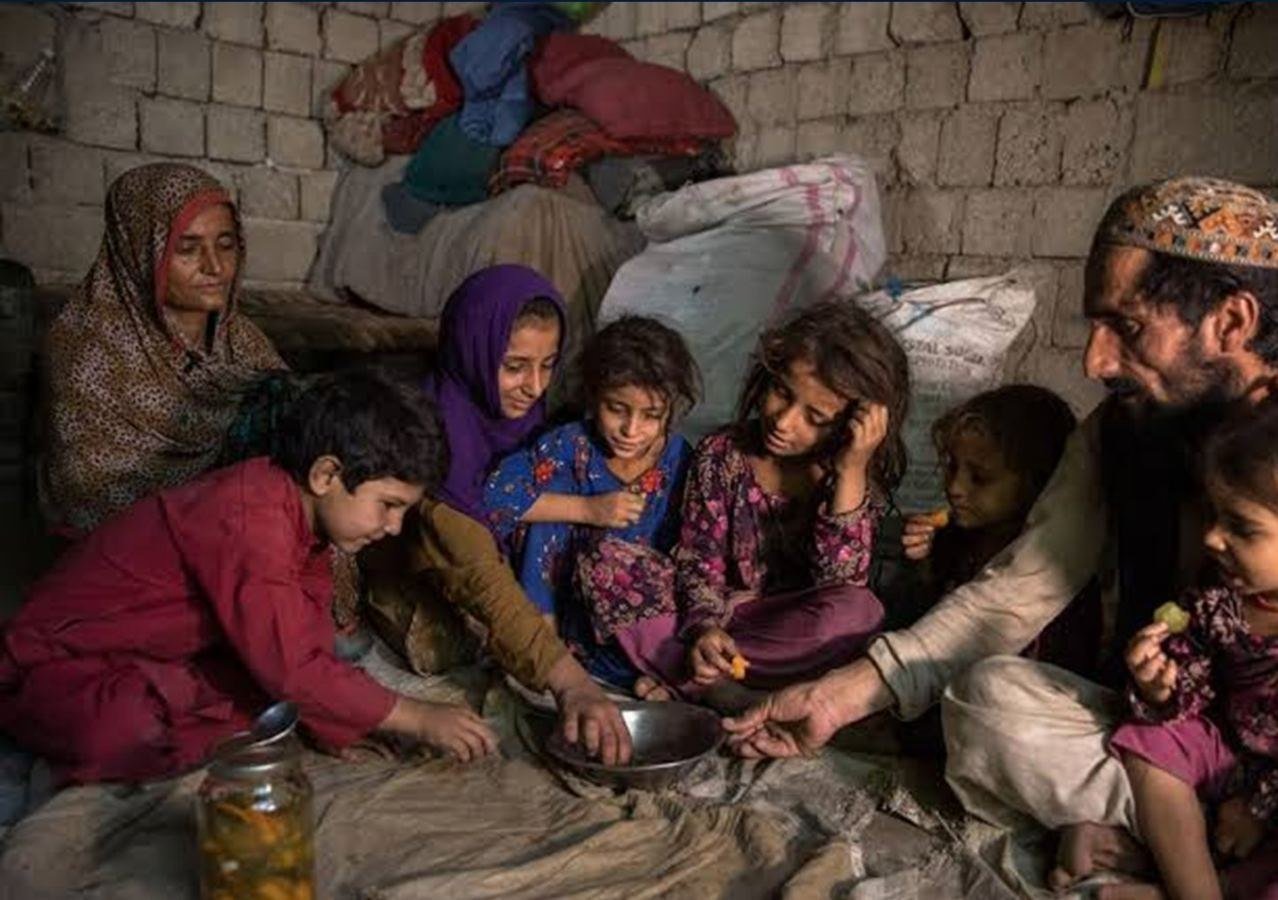
The United Nations has warned that hunger and malnutrition in Afghanistan are worsening rapidly and can no longer be treated as a seasonal problem. According to a new food security forecast, more than 19.2 million people are expected to face acute food insecurity, while another five million are projected to experience emergency levels of hunger.
Stéphane Dujarric, spokesperson for the UN Secretary-General, said at a press briefing on Thursday that the latest projections from the Integrated Food Security Phase Classification (IPC) illustrate the scale of the crisis.
Dujarric said an estimated four million children and 1.3 million mothers are also expected to face malnutrition. At the same time, around one-third of Afghanistan’s health facilities have closed or suspended operations, including 815 centres providing treatment for malnutrition. The closures are restricting access to essential healthcare and nutrition services, particularly for women and children.
The UN spokesperson said the World Food Programme (WFP) was preparing its response to winter needs. However, available funding is sufficient to assist only one million of the five million people requiring emergency support.
According to Dujarric, WFP needs $545 million to respond to the crisis over the next six months.
The warning comes as Afghanistan faces overlapping humanitarian pressures, including widespread food insecurity, reduced access to healthcare and a shortage of funding for relief operations. The closure of nutrition treatment centres poses an additional challenge for families whose children and mothers require urgent care.
The gap between the number of people in need and those current resources can reach highlights the scale of the funding shortfall. With winter approaching, the ability of humanitarian organisations to deliver food assistance and sustain essential nutrition services will depend heavily on securing additional resources.
The UN’s warning underscores that Afghanistan’s hunger crisis is not simply a temporary seasonal setback. The projected needs, reported health-service closures and limited funding point to a sustained humanitarian emergency requiring a response that matches the scale of the population affected.