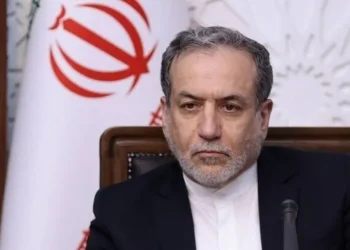

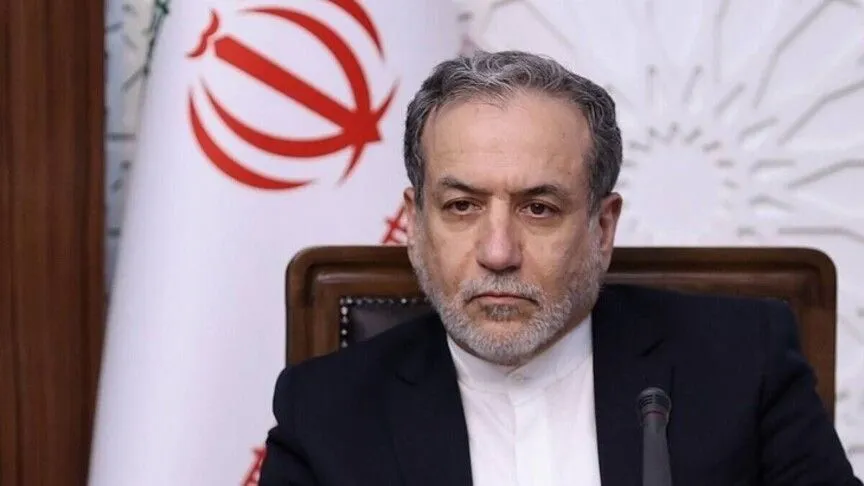
Iranian Foreign Minister Abbas Araghchi says Iran and Oman have reached an agreement on shipping routes through the Strait of Hormuz, with Tehran awaiting international registration of the arrangement. He also says the waterway’s full reopening depends on the United States fulfilling its commitments.
Speaking to Iraq’s Al Ekhbariya television, Araghchi said Iran had sought to reopen designated passage routes for ships carrying Iraqi oil through the strait to reduce losses caused by the disruption.
Referring to a memorandum of understanding reached in Islamabad, Araghchi said Tehran expects Washington to honour all commitments set out in the document. He said negotiations on other issues could begin after those commitments are implemented, followed by discussions on matters raised by both sides in an effort to reach a final agreement.
Araghchi said contacts with the United States were continuing through mediators, including Pakistan and Qatar. He also said Iran had previously submitted a proposal known as the “seven-day plan,” which set out Tehran’s conditions.
According to Araghchi, the plan envisaged the full reopening of the Strait of Hormuz on the sixth day of the period. He said the United States had indicated acceptance of Iran’s conditions but requested the addition of several other provisions. Araghchi maintained that full reopening would be possible if the agreed commitments were fulfilled, allowing negotiations towards a final agreement to continue.
The Iranian foreign minister also said the possibility of a new war launched by the United States and Israel could not be ruled out and that Iran was prepared for such a scenario. His remarks express Tehran’s assessment of the security situation; they do not establish that a new military operation has been decided upon.
On Iran’s relations with Hezbollah in Lebanon and Ansar Allah, the Houthi movement in Yemen, Araghchi said the two groups were not subordinate to Iran and made their own decisions independently.
The Strait of Hormuz is a major international route for oil shipments. Any restriction on maritime traffic can affect shipping operations and energy markets. However, the details and status of the reported Iran-Oman arrangement, including its international registration, have not been independently established by the statements provided.
Araghchi’s comments suggest that the reopening of the waterway remains tied to wider diplomatic negotiations and competing interpretations of commitments between Tehran and Washington. Whether the reported arrangements will lead to unrestricted passage depends on their implementation and confirmation by the parties involved.