
France is calling on the international community to keep the rights of Afghan women and girls high on its agenda as Afghanistan approaches the fifth anniversary of the Taliban’s return to power.
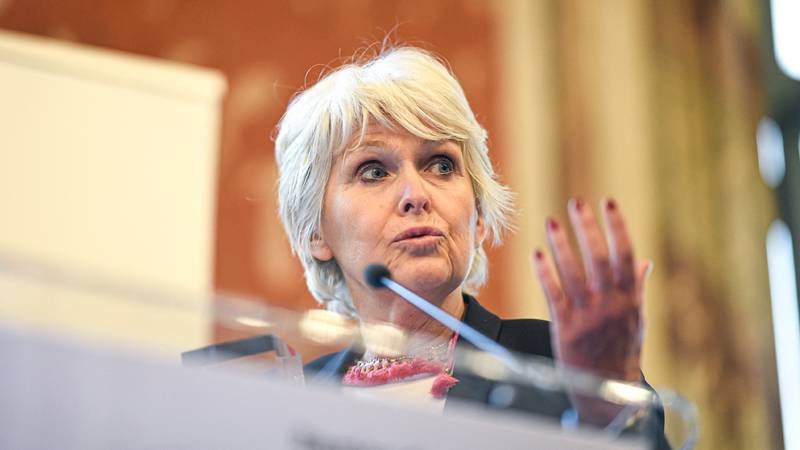
Isabelle Rome, France’s ambassador for human rights, made the remarks Monday at a meeting on Afghan women held on the sidelines of the United Nations General Assembly. She condemned restrictions imposed by the Taliban on women and girls and said France would not compromise on the issue.
Rome pointed specifically to the Taliban’s so-called morality law as an example of what she described as a systematic assault on the rights of women and girls. She said France would seek to ensure that the rights of Afghan women are explicitly reflected in United Nations resolutions concerning Afghanistan.
France has maintained a strong focus on the issue since the Taliban returned to power in August 2021. In an official statement marking the fifth anniversary of the fall of Kabul, the French government said women and girls remained excluded from secondary and higher education and faced increasingly restrictive measures affecting their participation in public life.
Rome also highlighted international legal efforts concerning alleged violations in Afghanistan. France, together with Chile, Costa Rica, Spain, Luxembourg and Mexico, referred the situation in Afghanistan to the International Criminal Court in November 2024. The ICC has an ongoing investigation into the Afghanistan situation.
In January 2025, the ICC prosecutor applied for arrest warrants against Taliban Supreme Leader Haibatullah Akhundzada and Taliban Chief Justice Abdul Hakim Haqqani over alleged persecution on gender grounds. In July 2025, ICC judges issued arrest warrants for both men, according to the court.
Rome also expressed support for an international investigative mechanism established for Afghanistan through the UN Human Rights Council. The mechanism was created in October 2025 and is tasked with investigating serious crimes in Afghanistan, including alleged violations against women and girls.
France says the purpose of such mechanisms is to document alleged violations, establish facts and support efforts toward justice and accountability.
Rome said that amid the many crises dominating international attention, the situation of Afghan women should not be forgotten. She called for continued international scrutiny of alleged violations and accountability for those responsible.
She also argued that the rights of women should not be treated as a secondary or conditional issue, describing them as an integral part of a fair, stable and sustainable international order.
France’s position comes as restrictions imposed by the Taliban continue to affect women’s access to education, employment, public life and freedom of movement. French officials have repeatedly said that respect for the rights of women and girls remains among the conditions relevant to any future normalization of relations with the Taliban.
At the same time, the effectiveness of international legal and diplomatic pressure remains dependent on the work of international institutions, cooperation among states and the ability of investigative and judicial mechanisms to gather evidence and pursue cases.
France’s renewed emphasis therefore combines political pressure, international documentation and judicial processes. The immediate impact of these measures on conditions inside Afghanistan remains difficult to determine, but they demonstrate that the rights of women and girls remain a significant element of France’s stated policy toward Afghanistan.