
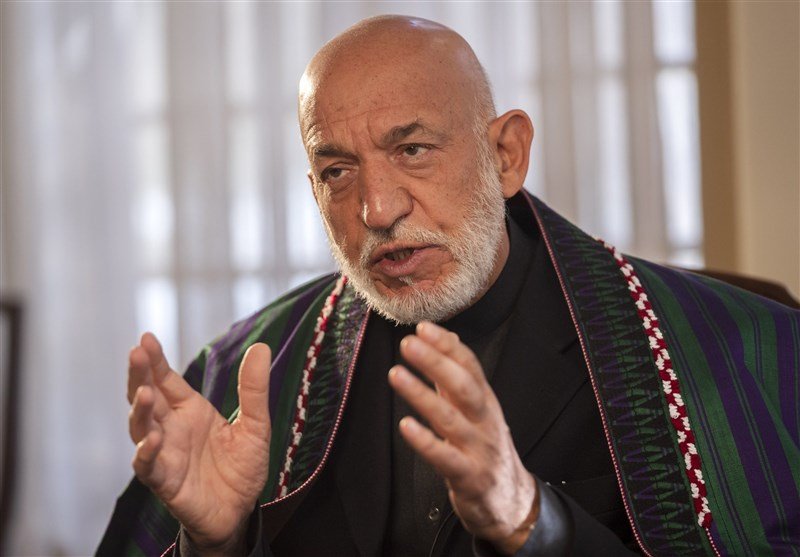
Former Afghan President Hamid Karzai has condemned reported Pakistani airstrikes in Kunar and Paktika, calling them a violation of Afghanistan’s sovereignty after Taliban authorities said the attacks killed three civilians and wounded four others.
In a statement, Karzai expressed condolences to the families of those killed and called on Islamabad to reconsider its policies toward Afghanistan. He also attributed Pakistan’s current security problems to what he described as misguided policies toward Afghanistan. That assessment represents Karzai’s political view of the causes of insecurity in Pakistan and has not been independently established.
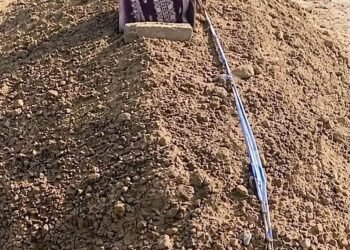
The strikes took place early Monday in eastern Afghanistan. Taliban deputy spokesman Hamdullah Fitrat said a residential house in Patan village in Nurgal district of Kunar was hit at around 3 a.m., killing three members of one family and injuring four others.
Taliban officials said the victims were civilians. In Paktika, strikes reportedly hit two locations in Barmal district, destroying a shop and an unoccupied house. No casualties were reported there.
Pakistan has presented a different account of the operation. Pakistani security officials told international media that the strikes targeted suspected militant hideouts and claimed that 28 militants were killed. Those casualty figures and the identities of the reported targets have not been independently verified.
The Pakistani military had not immediately issued a public statement confirming the details of the operation. The conflicting accounts mean that the exact targets, casualties and extent of the damage remain subject to further verification.
The strikes followed a series of deadly attacks inside Pakistan. Islamabad has repeatedly accused the Taliban authorities in Afghanistan of allowing armed groups, including the Tehrik-e-Taliban Pakistan, to operate from Afghan territory. The Taliban denies the allegations and maintains that insecurity inside Pakistan is an internal matter.
The latest airstrikes came days after a deadly attack on a police facility in Kohat, where Pakistani authorities reported at least 21 deaths and more than 100 injuries. Pakistan subsequently warned that it could target militants inside Afghanistan in response to attacks it attributes to groups based across the border.
The renewed strikes also mark another escalation after nearly three months without publicly reported Pakistani air operations inside Afghanistan. Previous Pakistani strikes have already caused significant civilian casualties. In June, the United Nations Assistance Mission in Afghanistan said at least 28 civilians were killed and 49 wounded in strikes in Paktya, Paktika and Kunar, while Pakistan said it had targeted militant hideouts.
The return of airstrikes highlights the unresolved security dispute between Kabul and Islamabad. Pakistan argues that armed groups operating from Afghanistan pose a direct threat to its security, while the Taliban rejects accusations that Afghan territory is being used to launch attacks against Pakistan.
For Afghanistan, the immediate concern is the reported civilian toll and the possibility that repeated cross-border strikes could widen the confrontation. For Pakistan, the central issue remains its claim that militant networks operating from Afghan territory are responsible for attacks inside the country.
The latest developments therefore carry risks beyond the individual strikes. Continued military action across the border could increase civilian casualties, deepen political tensions and make efforts by regional actors to reduce hostilities more difficult.
With the two sides presenting sharply different accounts of the targets and casualties, independent verification remains essential. Until more evidence becomes available, claims about the identity of those killed, the nature of the targets and the military justification for the operation should be treated with caution.