
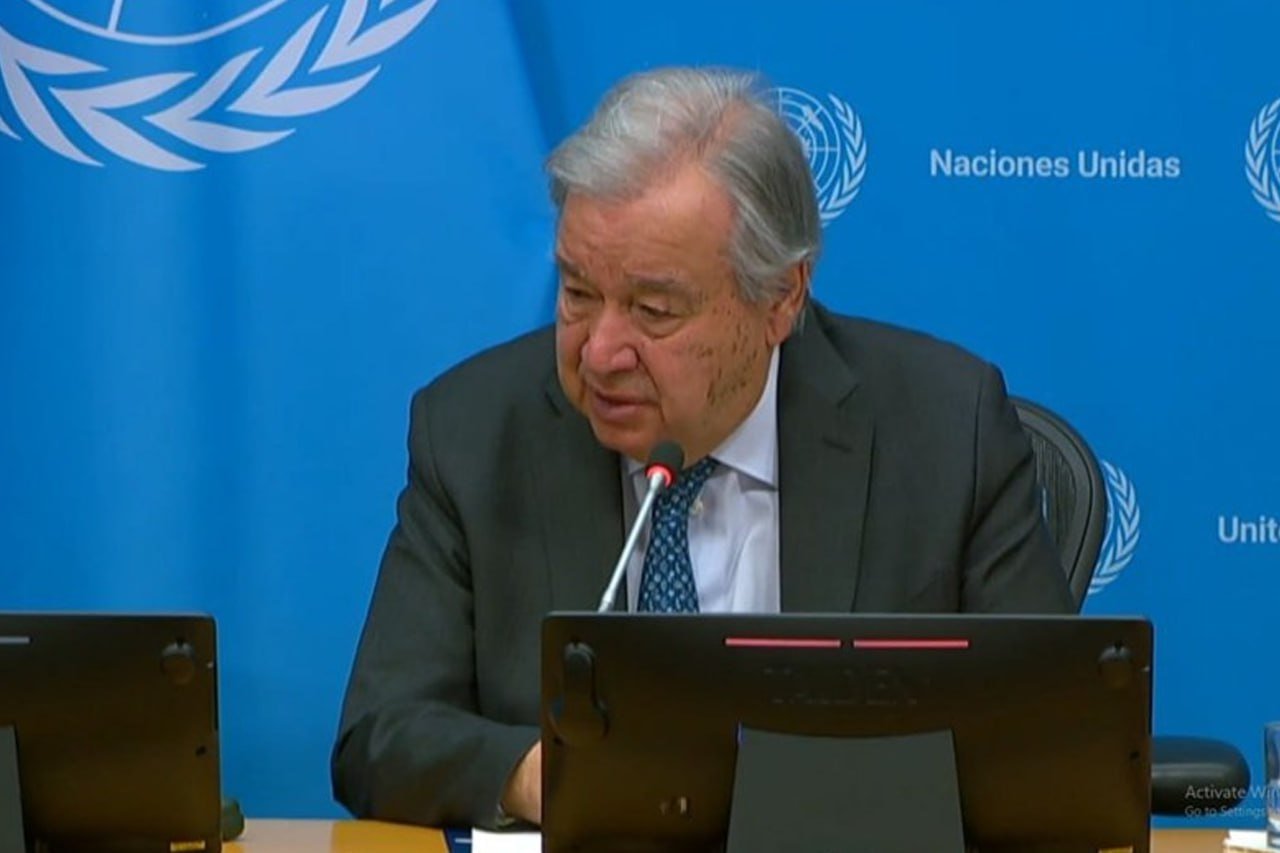
UN Secretary-General Antonio Guterres has called on the Taliban to immediately lift restrictions preventing Afghan women from working for the United Nations, saying the measures conflict with international law and hinder humanitarian operations in Afghanistan.
UN spokesperson Stéphane Dujarric said the restrictions imposed by the Taliban on women are inconsistent with international law and are reducing the United Nations’ ability to deliver humanitarian assistance to people in Afghanistan.
Guterres has also called for all restrictions on Afghan women and girls to be lifted and for their equal participation in Afghan society to be guaranteed.
The UN’s latest appeal comes as restrictions on women’s employment and participation in public life remain a major point of contention between the Taliban and the international community. The Taliban have continued to defend their policies as matters of internal governance, while the UN and other international bodies have repeatedly called for greater access to education, employment and public life for Afghan women and girls.
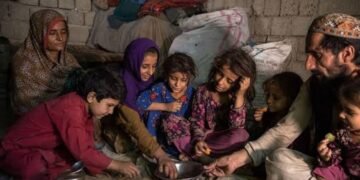
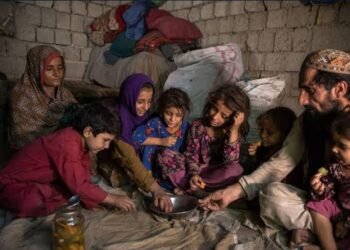
The humanitarian dimension is particularly significant. When women are prevented from working with humanitarian organizations, aid agencies face additional barriers in reaching Afghan women and families who depend on assistance. The UN has therefore increasingly framed women’s participation not only as a rights issue, but also as essential to effective humanitarian operations.
From a Nimruz perspective, Guterres’s demand highlights a widening gap between the Taliban’s approach to governance and international expectations concerning women’s rights. The issue is no longer limited to employment policy: restrictions affecting women’s access to work directly influence the capacity of international organizations to operate effectively and may further complicate Afghanistan’s engagement with the international community.
The immediate question is whether the Taliban will respond to the UN’s demand by allowing Afghan women to resume their work within the United Nations system. Until such restrictions are lifted, the dispute will remain both a major human-rights issue and a practical obstacle to humanitarian assistance in Afghanistan.