
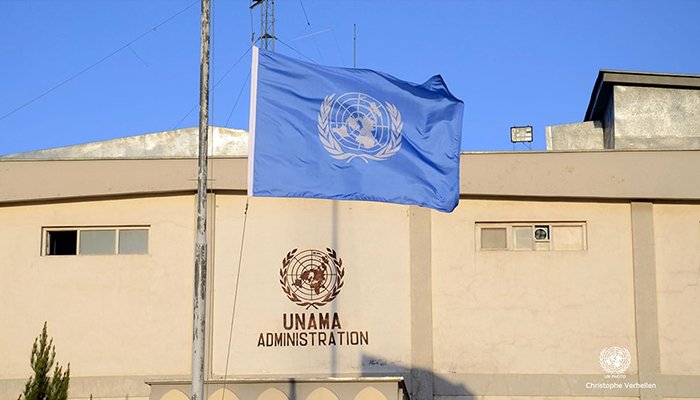
The United Nations Assistance Mission in Afghanistan (UNAMA) has said in a new research report that nearly 40,000 civilians were killed and more than 77,000 others were injured in Afghanistan from January 2009 until the Taliban returned to power in August 2021.
UNAMA said the report is based on research conducted by its Human Rights Service in 2024 and 2025 and examines the experiences, harms, and needs of victims of armed conflict in Afghanistan.
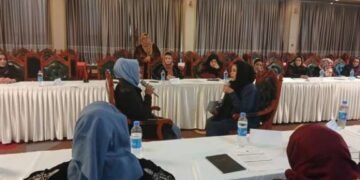
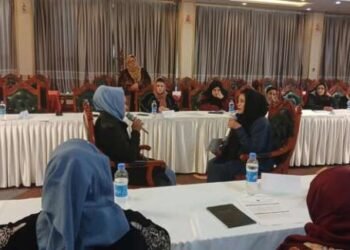
According to the report, researchers interviewed 195 war victims and their family members, 23 non-governmental organizations working to support victims, and 23 officials from the Taliban administration.
The report examines decades of war and the involvement of multiple actors in Afghanistan’s conflicts, noting that civilians suffered as a result of actions by different parties involved in the war.
During the conflict between 2001 and 2021, the former Afghan government’s security forces, the Taliban, Islamic State Khorasan Province, local armed groups, and international forces led by the United States and NATO were among the main parties to the conflict.
UNAMA stressed that the new report does not provide a breakdown of civilian casualties attributed to each party. Instead, it focuses primarily on the accounts, personal experiences, and needs of war victims and their families.
According to UNAMA’s findings, victims of Afghanistan’s wars are not limited to a single period or party, and the effects of armed conflict have affected countless families across the country.
UNAMA also referred to the civil wars of the 1990s, saying that some of those interviewed for the research had also been affected by fighting among different Mujahideen groups between 1992 and 1996.
The new UN report once again highlights the human cost of Afghanistan’s decades of war, which killed and injured tens of thousands of civilians and whose consequences continue to affect victims and their families.