
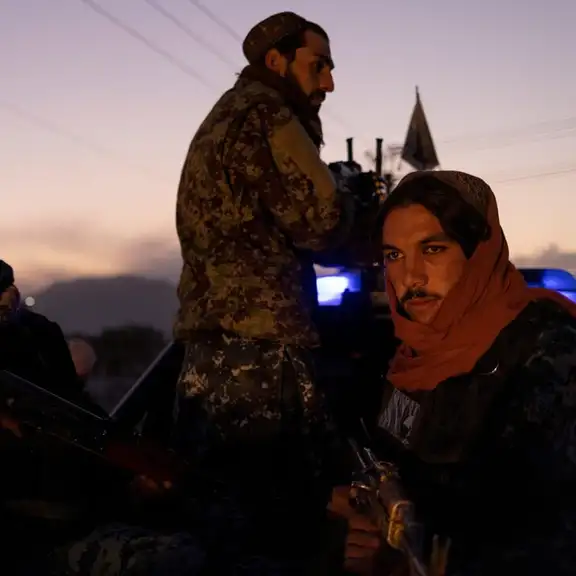
The Afghanistan Freedom Front says it carried out at least 21 guerrilla and frontline operations against the Taliban across eight Afghan provinces in August, a claim that, if independently confirmed, would indicate continued armed activity against Taliban rule across several parts of the country.
Daoud Naji, the group’s political committee chief, said on X that the reported operations took place in Badakhshan, Baghlan, Kunduz, Panjshir, Nuristan, Kabul, Faryab and Nangarhar.
According to a list published by Naji, the first reported operation took place on August 1 in Zebak district of Badakhshan. The group claimed that 21 Taliban members were killed and 37 others wounded in the attack.
The Afghanistan Freedom Front also claimed that six Taliban members were killed and 10 wounded in another operation in the same district.
The group reported a total of 44 additional Taliban fatalities in several other attacks. However, seven of the 21 reported operations contained no specific casualty figures, while another referred only to “several” deaths and injuries.
The casualty figures therefore remain claims by the Afghanistan Freedom Front and cannot be treated as independently confirmed. The actual number of casualties is unclear.
The report comes amid recent accounts of increased attacks by armed groups opposed to the Taliban in parts of Afghanistan.
Earlier reports also documented at least 15 attacks by Taliban opponents in nine provinces within a single week. Some analysts cited possible increases in popular support for armed opposition groups and declining social support for the Taliban as potential factors, although such assessments remain difficult to verify independently.
Armed opposition to the Taliban is not limited to the Afghanistan Freedom Front. The National Resistance Front, Homeland Shield and United Afghanistan Front have also reported operations against the Taliban in recent months.
However, independent and verifiable information about the overall scale of these attacks and the casualties resulting from them remains limited.
The Taliban have not publicly commented on the 21 operations claimed by the Afghanistan Freedom Front or on the casualty figures reported by the group.
Nimruz Exclusive Angle
The most significant element of the report is not simply the number of attacks, but their claimed geographic spread.
The Afghanistan Freedom Front says its operations reached eight provinces, suggesting that armed opposition groups continue to seek an operational presence beyond a small number of traditional areas.
But the distinction between reported attacks and a measurable shift in Afghanistan’s security balance is crucial. Without independent verification, the figures alone do not establish that the Taliban are facing a broad military threat or a fundamental deterioration in their control.
Final Analysis
If attacks across multiple provinces become sustained rather than isolated incidents, the Taliban could face a security challenge that cannot be managed solely through control of major urban centers. A geographically dispersed insurgency could increase the cost of maintaining security across the country.
The opposition groups, however, face their own test. Turning sporadic attacks into a sustained challenge would require organizational capacity, logistical support, operational continuity and, most importantly, the ability to demonstrate that they can maintain pressure over time.
The real significance of the reported 21 operations therefore lies not in the number itself, but in whether the alleged attacks develop into a persistent pattern. Until that pattern is independently established, the claims point to continued armed resistance against the Taliban but do not, by themselves, demonstrate a major change in Afghanistan’s overall military balance.