
Pakistan says it is prepared to hold government-to-government talks with the Taliban on counterterrorism, but has made clear that continued dialogue will depend on concrete action from Kabul.
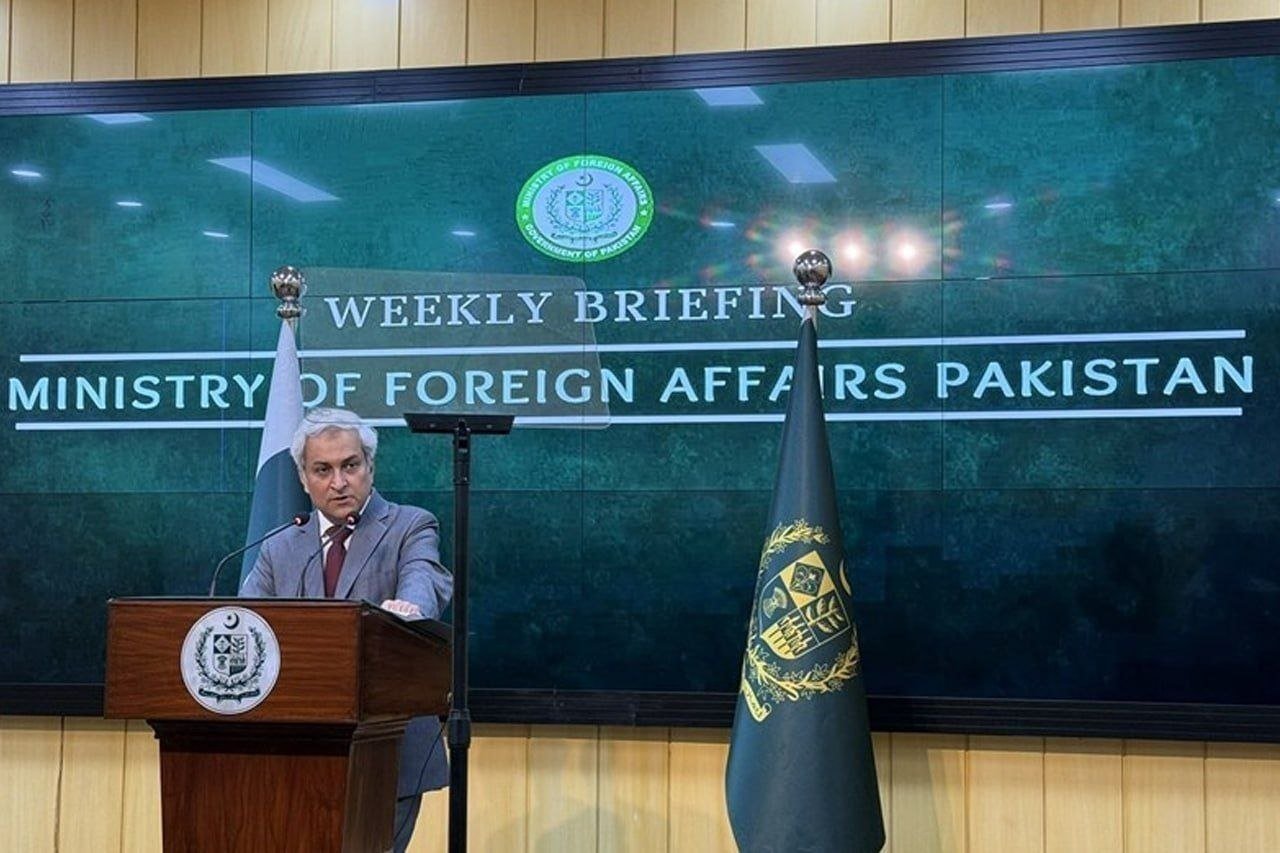
Tahir Andrabi, a spokesperson for Pakistan’s Foreign Ministry, said any dialogue mechanism must be accompanied by practical measures and cannot rely solely on assurances or promises.
He said the Taliban must ensure that Afghan territory is not used for terrorist activities against Pakistan.
The position came after Sirajuddin Haqqani, the Taliban’s interior minister, called for the creation of a dialogue mechanism between the two sides.
The dispute over armed groups opposed to Pakistan operating from Afghan territory has been one of the main sources of tension between Islamabad and the Taliban in recent years. Pakistan has repeatedly pressured the Taliban to prevent the Tehrik-i-Taliban Pakistan from operating from Afghanistan, an allegation the Taliban have rejected.
Pakistan’s latest condition signals a shift from seeking political assurances toward demanding measures that can be assessed on the ground.
For Islamabad, the issue is not simply whether the Taliban are willing to talk, but whether their actions can demonstrate a meaningful reduction in the security threat Pakistan says originates from Afghan territory.
From a Nimruz perspective, the significance of Pakistan’s position lies in the balance between dialogue and pressure. Islamabad is keeping the door to direct engagement open while making clear that political talks alone will not be enough to ease security tensions.
If the dispute continues, relations between Kabul and Islamabad are likely to remain caught between the need for diplomatic engagement and security concerns linked to armed groups along the border. Pakistan’s demand for concrete action could therefore become a key measure of the Taliban’s willingness and ability to address Islamabad’s security concerns.