
The United States Central Command (CENTCOM) has announced that the Strait of Hormuz remains open to commercial shipping and that American forces are continuing to monitor the implementation of the agreement between Washington and Tehran.
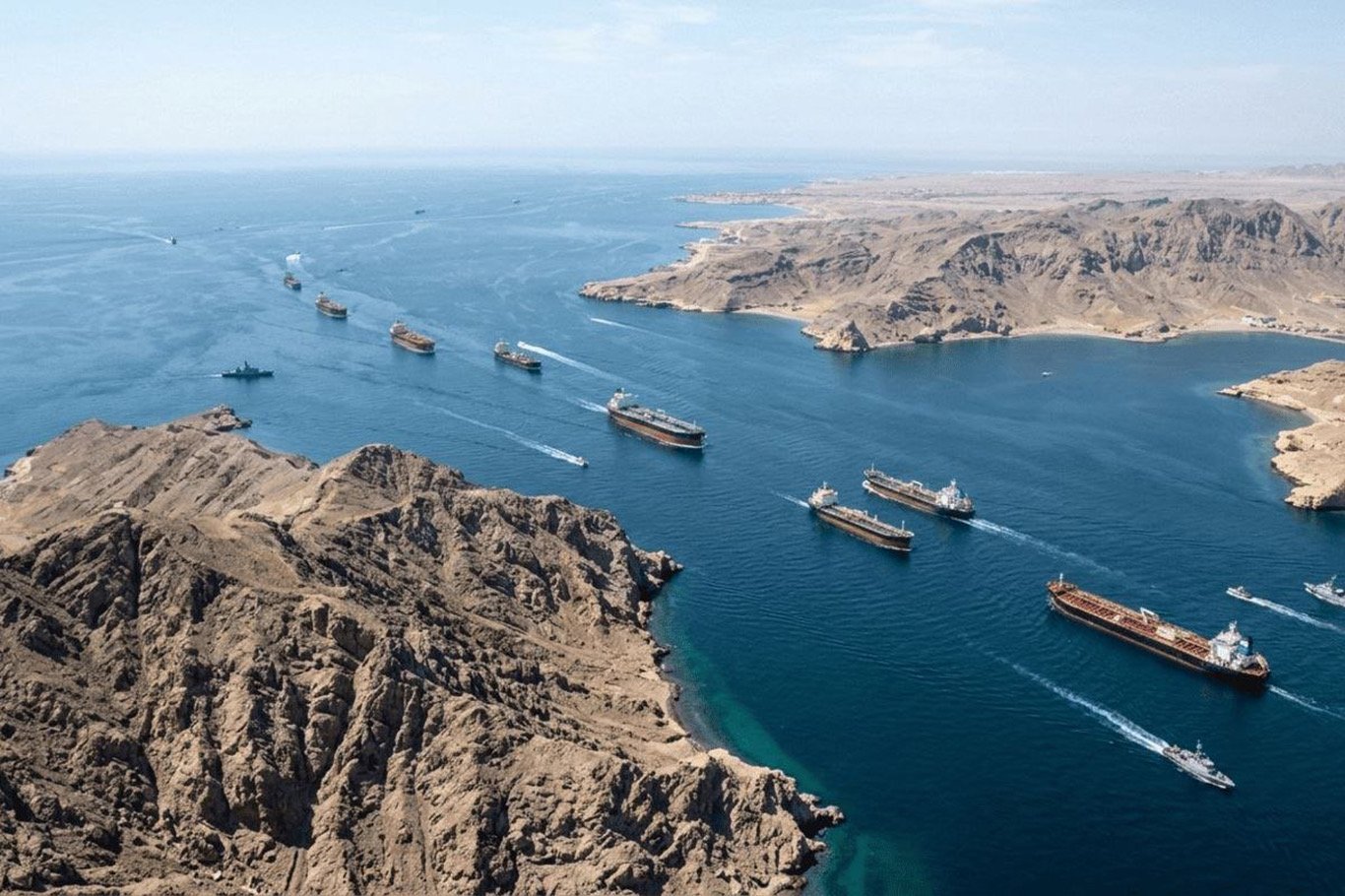
In a statement released on Saturday, CENTCOM said that 55 commercial vessels transited the Strait of Hormuz during the day and that more than 17 million barrels of oil were transported through the strategic waterway.
The U.S. military said its forces remain deployed in the region and are overseeing both maritime security and compliance with the terms of the agreement reached between the two sides.
The statement comes amid conflicting reports regarding the status of the Strait of Hormuz.
Earlier, the Public Relations Office of Iran’s Islamic Revolutionary Guard Corps Navy announced that the strait had been closed to all maritime traffic until further notice.
According to the IRGC statement, the measure was taken in response to what it described as violations of ceasefire commitments by the United States. Iranian authorities also warned vessels against approaching the waterway.
Iran’s Khatam al-Anbiya Central Headquarters separately issued statements indicating that the Strait of Hormuz had been closed.
The Strait of Hormuz is one of the world’s most critical energy corridors, carrying a substantial share of global oil exports from Gulf countries. Any disruption to shipping in the area has the potential to affect international energy markets, global trade flows and shipping costs.
At present, official accounts from Washington and Tehran remain contradictory. While CENTCOM reports uninterrupted maritime traffic and continued commercial transit, Iranian military institutions have issued statements claiming the route has been closed.
No independent international authority has yet provided a definitive assessment reconciling the competing claims.
Given the strategic importance of the Strait of Hormuz, developments surrounding the waterway are being closely monitored by governments, energy companies and global financial markets.