
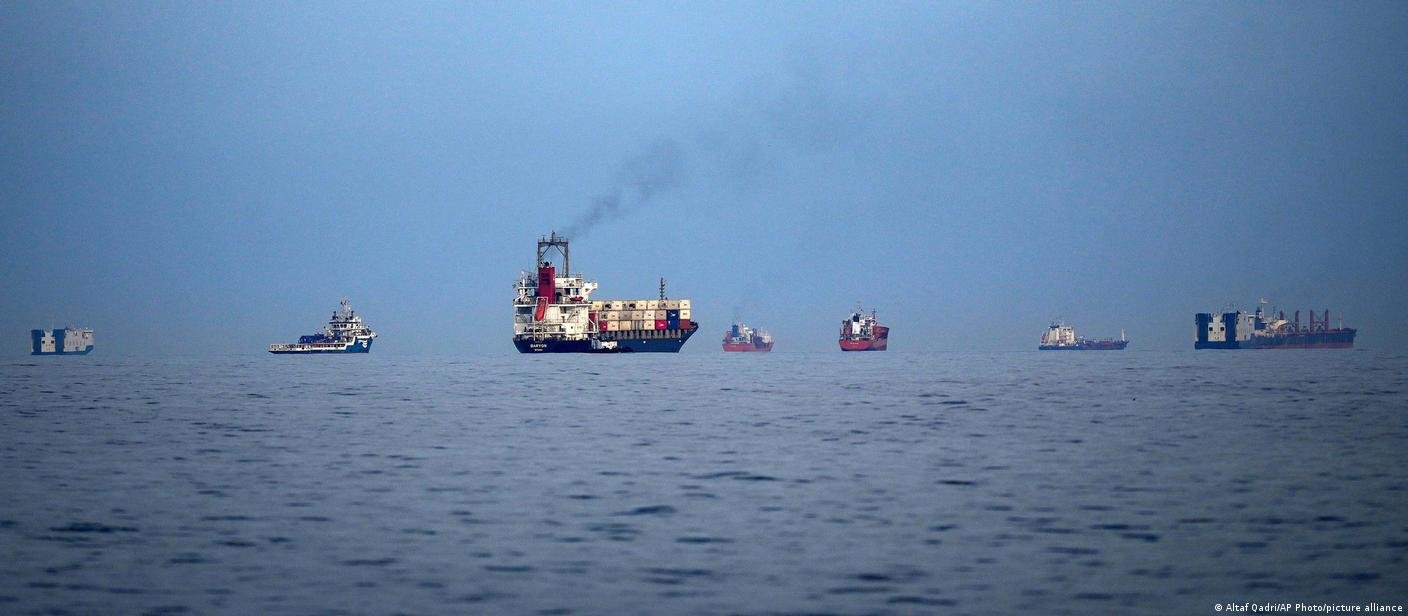
Commercial shipping and oil tanker traffic have resumed through the Strait of Hormuz following the start of implementation of the memorandum of understanding between the United States and Iran.
Iran’s state television on Friday broadcast footage showing cargo vessels and oil tankers moving through the Strait of Hormuz and nearby waters in the Gulf of Oman. The images were released shortly after restrictions on maritime traffic were reportedly lifted.
The United States Central Command (CENTCOM) also announced that, under orders from President Donald Trump, restrictions affecting vessel access to Iranian ports had been removed and U.S. forces would no longer interfere with commercial maritime transit.
Under the reported terms of the memorandum, Iran has committed to guaranteeing free passage through the Strait of Hormuz for a period of 60 days without additional transit charges. In return, the United States has begun lifting maritime and port-related restrictions affecting Iran.
The Strait of Hormuz is one of the world’s most strategically important energy corridors, serving as a key route for a significant share of global oil exports from Gulf-producing countries.
The reopening of the waterway is being viewed as one of the first practical outcomes of the recent understanding between Tehran and Washington.
Energy market analysts say the restoration of normal shipping traffic could help ease concerns over global oil supplies, improve market confidence and contribute to greater price stability.
The disruptions and tensions surrounding the Strait of Hormuz in recent months had raised fears of supply interruptions and increased volatility in global energy markets.
With commercial traffic now resuming, attention is expected to shift toward the broader implementation of commitments outlined in the memorandum and the next phase of negotiations between the two sides.
Observers note that the continued flow of energy exports through the Strait of Hormuz will remain a key indicator of whether the agreement succeeds in reducing regional tensions and restoring confidence among international shipping and energy companies.