
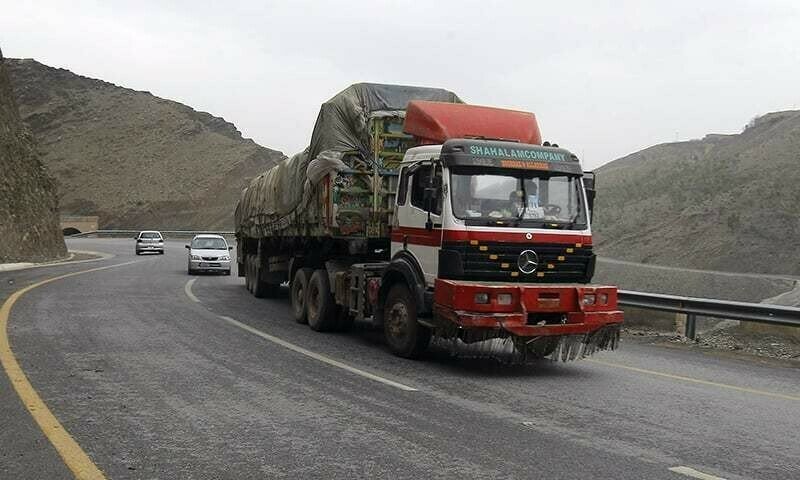
The Afghanistan–Pakistan Joint Chamber of Commerce and Industry has reported that the closure and disruption of trade routes between the two countries over the past eight months have caused approximately $981 million in losses for Pakistani traders.
According to the chamber, transit restrictions have significantly reduced the volume of bilateral trade and created serious obstacles for Pakistan’s exports to Central Asian markets through Afghanistan.
The report states that disruptions along key transit corridors have affected commercial activity, reduced revenues for transport and logistics companies, and placed additional pressure on various sectors of Pakistan’s economy.
Business representatives say that manufacturing and agricultural industries have also felt the impact of reduced trade flows and logistical challenges resulting from the restrictions.
The chamber warned that if the situation continues, it could further damage supply chains, discourage investment and weaken economic activity on both sides of the border.
Afghanistan remains one of Pakistan’s most important gateways to Central Asia, making stable transit routes critical for regional trade and economic integration.
Economic analysts argue that restoring trade corridors and facilitating cross-border transit would help increase commercial exchanges, boost exports and reduce pressure on producers and transport operators.
They also note that improved connectivity could strengthen regional cooperation and create new opportunities for businesses operating across South and Central Asia.
Trade and transit relations between Afghanistan and Pakistan have long played a central role in regional commerce, with thousands of businesses depending on uninterrupted access to transportation routes and border crossings.
The latest figures highlight the economic cost of prolonged disruptions and underscore growing calls from the private sector for measures aimed at restoring normal trade activity and improving regional connectivity.