
The United Nations Development Programme (UNDP) has warned that Afghanistan’s humanitarian and economic crisis continues to worsen as the country approaches the fifth year of Taliban rule.
According to the organization’s latest report, around 1.4 million additional people in Afghanistan fell into livelihood insecurity during 2025.
The report states that the number of people struggling to meet basic living needs has risen from 26.6 million in 2024 to nearly 28 million this year.
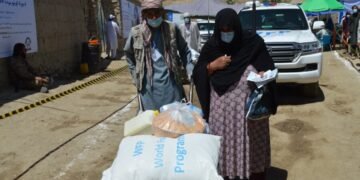
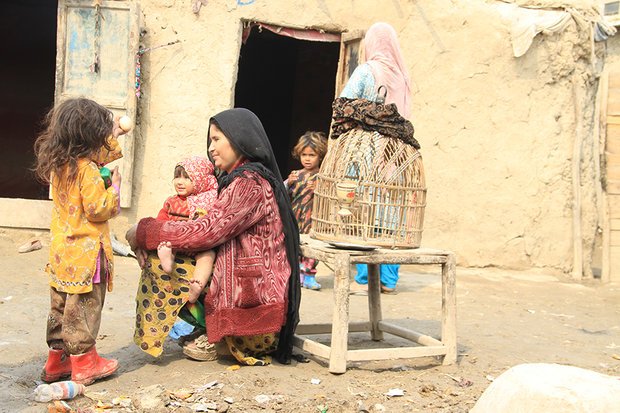
The UNDP said that three out of every four people in Afghanistan currently do not have enough food for daily life.
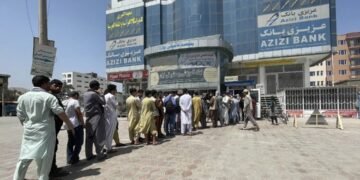
The organization identified declining foreign aid, economic collapse, the return of migrants, widespread unemployment, and banking restrictions as major factors driving poverty deeper across the country.
The United Nations also warned that Taliban restrictions on women and girls, particularly in education and employment, are directly affecting household incomes and the broader Afghan economy.
International assessments have previously indicated that excluding women from education and the labor market has significantly reduced Afghanistan’s economic productivity and long-term growth potential.
Ongoing political instability, drought, climate-related shocks, and shrinking employment opportunities have further intensified pressure on ordinary Afghans.
Despite ongoing humanitarian efforts, international agencies warn that without sustainable financial support and policy changes by the Taliban, Afghanistan’s humanitarian crisis is likely to deepen further in the coming years.
Analysts say the crisis in Afghanistan is increasingly shifting from an emergency situation into a long-term structural collapse affecting nearly every sector of society.
Experts also argue that the combination of economic isolation, declining aid, restrictions on women, and climate stress has created overlapping crises that make recovery significantly more difficult.