
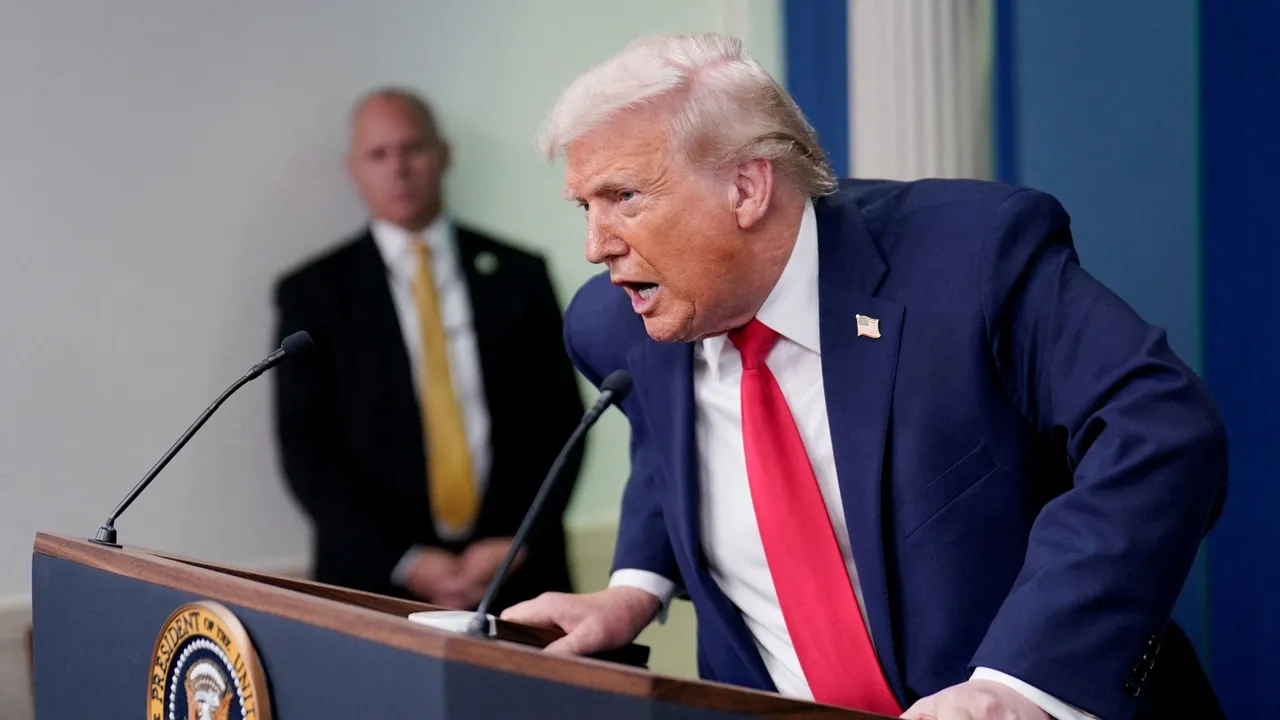
US President Donald Trump has announced that he reviewed the response delivered by Iranian representatives and described it as “completely unacceptable.”
Without revealing details of the message, Trump wrote: “I just read the response from the so-called representatives of Iran. I don’t like it. Completely unacceptable.”
Barak Ravid, a journalist with Axios, said on X that Trump told him he discussed Iran’s response during a conversation with Israeli Prime Minister Benjamin Netanyahu.
According to Ravid, Trump emphasized that the issue represented only a small portion of his broader discussion with Netanyahu.
At the same time, Lebanon-based Al Mayadeen reported, citing informed sources, that Tehran’s response to the US proposal—transmitted through Pakistan—included provisions related to a ceasefire between Israel and Lebanon.
According to the report, Tehran insisted that any agreement with Washington must include an immediate end to the war simultaneously with the announcement of a deal.
Sources also said Iran demanded the lifting of US sanctions, the release of frozen assets, and reduced restrictions on Iranian oil exports.
The report further claimed that Tehran requested recognition of Iran’s control over the Strait of Hormuz within the framework of the proposed understandings.
According to the sources, the proposed arrangement would involve 30 days of negotiations after the cessation of hostilities to finalize details, while talks continue in written form through Pakistani mediation.
Tasnim News Agency, which is close to Iran’s Revolutionary Guard, also quoted an informed source as saying: “It does not matter. Nobody in Iran writes proposals to please Trump.”
The source added that Iran’s negotiating team acts solely based on what it describes as “the rights of the Iranian nation.”
The developments come as the region continues to experience instability following the large-scale conflict that began in late February 2026 and disrupted shipping through the Strait of Hormuz.
Although a fragile ceasefire has been in place since early April, disputes over Iran’s nuclear program, missile capabilities, regional influence, and sanctions relief continue to block a final agreement.
Analysts warn that the failure of negotiations could increase the risk of renewed large-scale military confrontation and further escalation in the Strait of Hormuz, with major implications for global energy markets and maritime security.
The current diplomatic deadlock suggests that while open warfare has slowed, the broader strategic conflict between Tehran, Washington, and Israel remains unresolved.