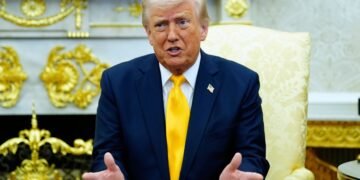

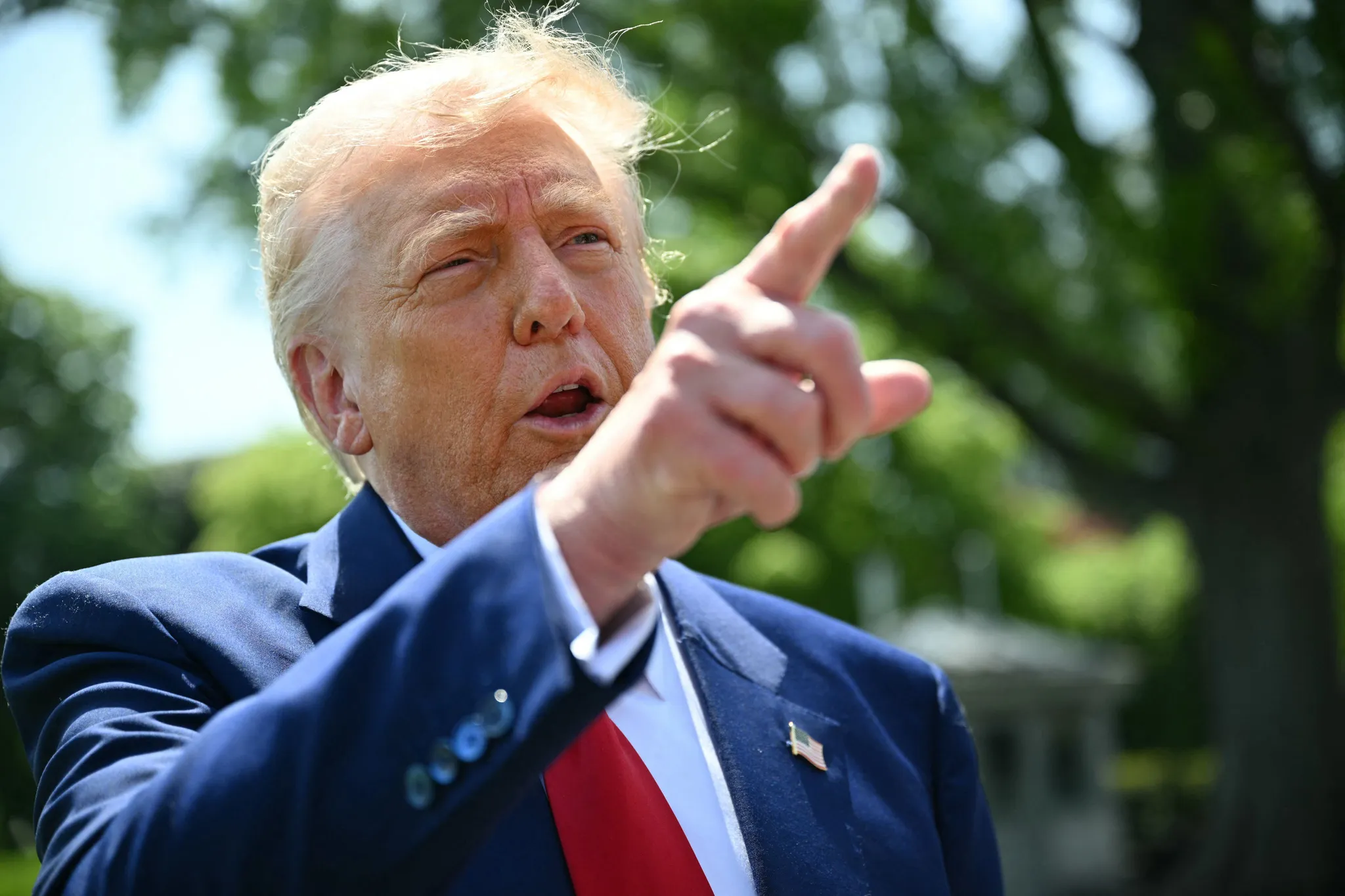
US President Donald Trump has formally informed Congress that the war with Iran, which he says began on February 28, 2026, has now ended due to the absence of active fire exchanges following the ceasefire.
At the same time, Trump emphasized that Washington will not abandon strategic pressure on the Islamic Republic, arguing that easing pressure now could allow future instability to re-emerge.
The position suggests the White House is attempting to balance a declaration of direct military conflict’s end with the preservation of a broader long-term containment framework.
Recent rejection of Iran’s latest negotiation proposal, alongside expanded US arms sales to regional allies, indicates that Washington’s deterrence architecture in the Middle East is not being dismantled but recalibrated.
Parallel adjustments to certain US military deployments in Europe further suggest a wider geopolitical reprioritization rather than disengagement.
In practical terms, Trump appears to be declaring the end of one phase of overt warfare while maintaining military, economic, and security leverage through a revised containment strategy.
The shift may represent a transition from open war to a more layered pressure model designed to constrain Iran without sustained direct battlefield escalation.