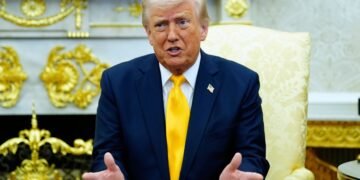

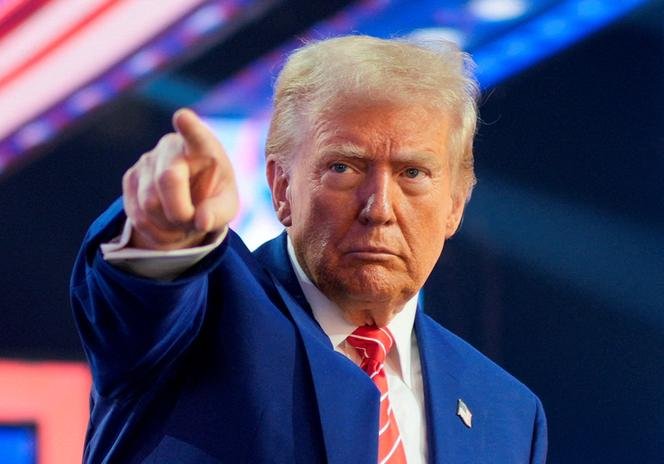
US President Donald Trump has warned that any Iranian attack on American vessels involved in the “Project Freedom” operation in the Strait of Hormuz would trigger an extremely severe response.
Speaking to Fox News, Trump said Washington holds a significant military advantage and is prepared to use its capabilities if necessary. He emphasized access to advanced weapons systems and a global network of military bases.
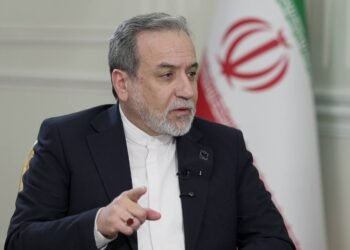
At the same time, Trump claimed that Iran has shown increased “flexibility” in ongoing peace-related discussions.
The combination of strong military warnings and references to diplomatic progress reflects a dual-track approach by Washington—using both coercive pressure and negotiation signals to manage the crisis.
On one hand, the threat is designed to raise the cost of any Iranian action. On the other, the mention of flexibility suggests that diplomatic channels remain open.
Such mixed messaging, however, also carries risks. In a highly volatile environment, the overlap of deterrence and diplomacy can increase the likelihood of misinterpretation and unintended escalation.
The situation underscores a delicate balance, where political signaling could quickly translate into military consequences if misread.