
Amnesty International has announced that the number of executions carried out worldwide in 2025 reached the highest level recorded in the past 44 years, with Afghanistan under Taliban control listed among the countries implementing the death penalty.
According to the organization’s annual report on death sentences and executions in 2025, at least 2,707 people were executed across 17 countries worldwide.
Amnesty International described the figure as the highest recorded since it began documenting global execution statistics in 1981.
The organization said the Taliban carried out six public executions during 2025, and at least one death sentence was issued on charges of “blasphemy.”
Amnesty International also reported that the Islamic Republic of Iran accounted for the largest increase in global executions, with at least 2,159 executions recorded — more than double the previous year’s figure.
Saudi Arabia reportedly carried out at least 356 executions, many of them related to drug offenses.
The report added that nearly half of all executions recorded globally — around 1,257 cases — were linked to drug-related crimes, with Iran alone accounting for 998 of those executions.
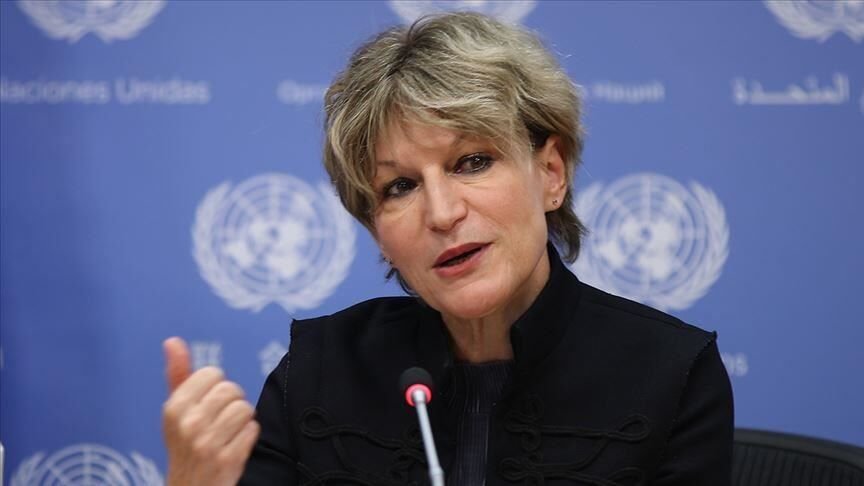
Amnesty International’s secretary-general said some governments are increasingly using the death penalty to spread fear, suppress dissent, and demonstrate state power.
At the same time, the organization emphasized that the global movement toward abolishing the death penalty continues, noting that 113 countries have now completely abolished capital punishment.
Since returning to power, the Taliban have publicly executed at least 12 people in various Afghan provinces.
The Taliban refer to such punishments as “qisas” and argue that they are implemented under Islamic law to deter serious crimes.
However, human rights organizations warn that public executions, lack of judicial transparency, and limited access to fair trials have raised serious concerns about the state of human rights in Afghanistan.
Analysts say the sharp increase in global executions reflects a broader trend in which some governments are relying more heavily on harsh punishments and public displays of authority during periods of political and social tension.