
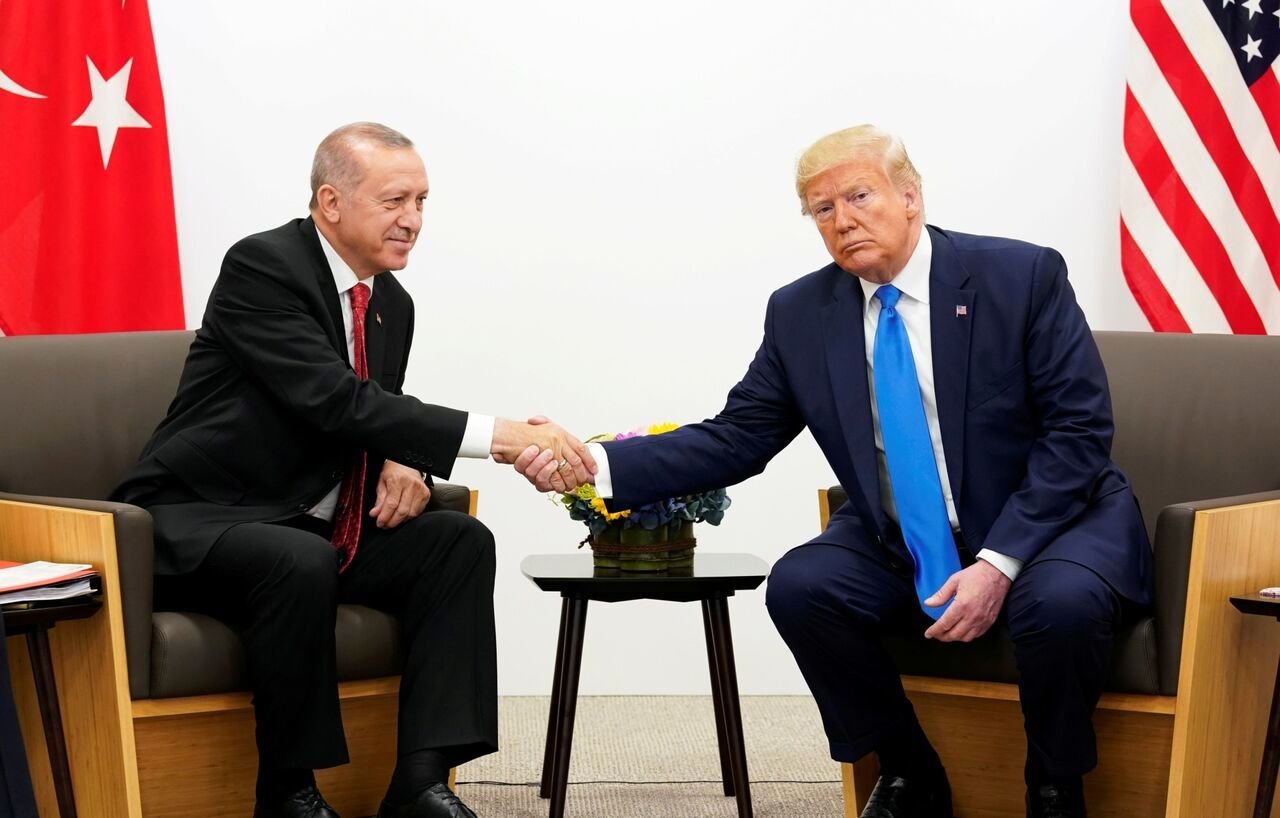
U.S. Secretary of State Marco Rubio has confirmed that President Donald Trump will personally attend the upcoming NATO leaders’ summit, a gathering expected to focus on some of the alliance’s most pressing security and political challenges.
According to Rubio, Trump will join fellow NATO leaders at the summit scheduled for July 7 and 8 in Ankara, Turkey. The meeting is widely viewed by analysts as one of the most consequential NATO gatherings in recent years due to ongoing debates over defense spending, European security, and the future direction of the alliance.
Trump’s participation comes at a time when relations between Washington and several European allies have faced strains over burden-sharing and military commitments. The U.S. president has repeatedly argued that many European NATO members rely heavily on American military protection while contributing insufficiently to collective defense expenditures.
Throughout his political career, Trump has pressed NATO members to increase defense spending and reduce dependence on U.S. military capabilities. His position has fueled debate within the alliance about how responsibilities should be distributed among member states.
The summit is expected to address a broad range of issues, including military spending targets, continued support for Ukraine, European defense readiness, emerging security threats, and the future role of the United States within NATO.
Diplomats and security experts believe the gathering could prove particularly significant as NATO seeks to maintain unity while responding to evolving geopolitical challenges. The alliance continues to face pressure from ongoing security concerns in Europe, shifting global power dynamics, and questions surrounding long-term strategic priorities.
Trump’s presence is expected to add political weight to the discussions and may influence negotiations on defense commitments and alliance strategy. His views on burden-sharing remain one of the most closely watched issues among NATO partners.
NIMRUZ ANGLE
The significance of Trump’s participation extends beyond ceremonial diplomacy. His longstanding criticism of NATO spending levels has shaped alliance debates for years, and his presence is likely to intensify discussions over how security responsibilities should be divided between the United States and its European allies. The summit may serve as an important indicator of whether NATO can maintain cohesion while adapting to changing strategic realities.
FINAL ANALYSIS
The Ankara summit is likely to become a defining moment for NATO’s future direction. With defense spending, the war in Ukraine, and transatlantic cooperation all under scrutiny, the decisions and signals emerging from the meeting could influence alliance policy for years to come. Trump’s attendance ensures that burden-sharing and the balance of responsibilities within NATO will remain at the center of international attention as leaders seek to strengthen collective security amid an increasingly uncertain global environment.