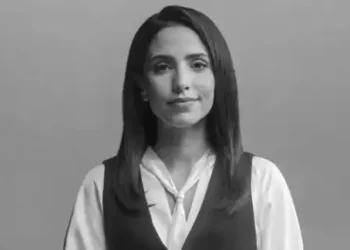

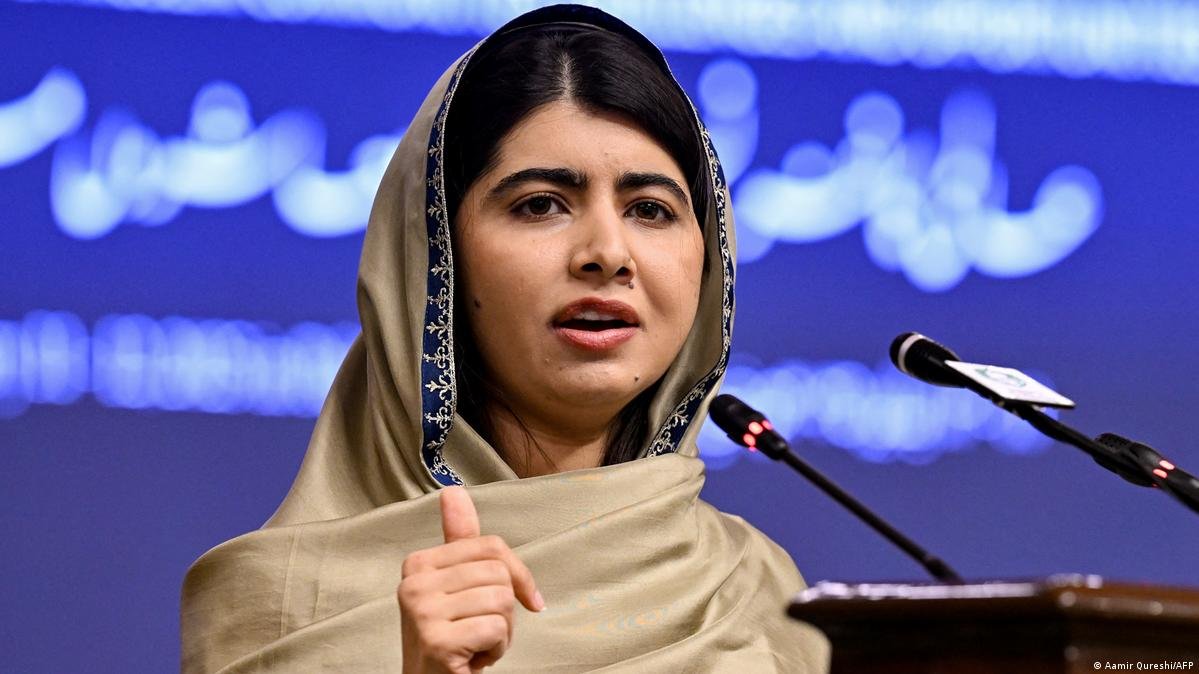
Malala Yousafzai, the Nobel Peace Prize laureate and education activist, has criticized what she described as the international community’s failure to respond effectively to the situation of women and girls in Afghanistan.
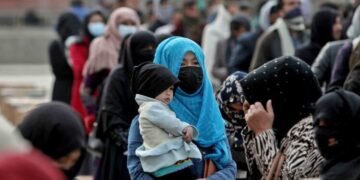
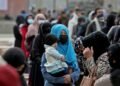
In an interview with the British newspaper The Observer, Malala said that the return of the Taliban to power in 2021 has subjected millions of Afghan women and girls to extensive restrictions affecting their future opportunities and daily lives.
Referring to policies imposed on women and girls in Afghanistan, she argued that some world leaders have treated these measures as cultural or domestic issues, a position she described as unacceptable.
Malala stressed that existing international legal mechanisms do not provide sufficient protection for women and girls and called for stronger measures to ensure accountability for those responsible for violations of women’s rights.
The education advocate also praised the resilience of Afghan women and girls, noting that many continue to pursue learning and personal development despite significant obstacles and restrictions.
She said that when the Taliban returned to power, she found it difficult to believe that the same group that once threatened her life had once again taken control of Afghanistan and gained influence over the future of millions of women and girls.
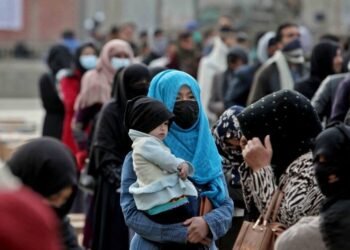
Since the Taliban’s return to power, broad restrictions have been imposed on women’s education, employment, and participation in public life, drawing criticism from human rights organizations and international institutions.
The Taliban, however, have consistently described these policies as internal matters and have so far shown no indication of reversing their position.
Malala’s remarks add to growing international calls for stronger action to address the rights and freedoms of Afghan women and girls, a subject that remains at the center of global human rights discussions.