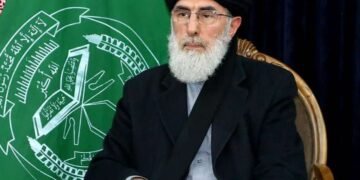

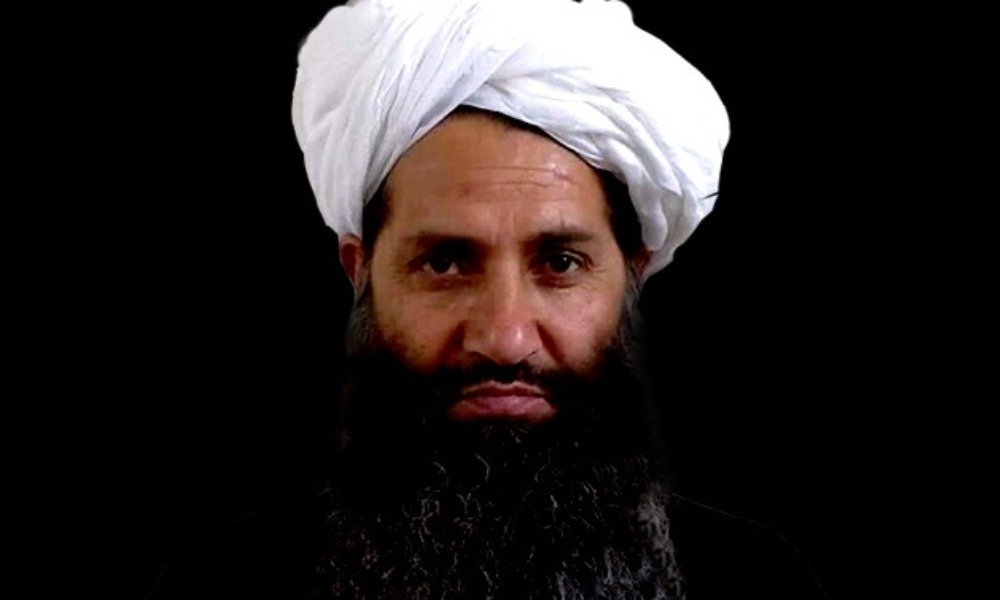
Hibatullah Akhundzada, the leader of the Taliban, has urged religious scholars in Parwan and Kapisa provinces to promote the group’s laws and decrees among the public and to write books and essays about Taliban fighters killed during the war.
Taliban spokesman Zabihullah Mujahid published parts of Hibatullah’s remarks on X.
According to the statements, the Taliban leader called on clerics to help resolve religious issues faced by the public, maintain unity among scholars, and take seriously the responsibility of implementing and promoting Islamic law.
Hibatullah also instructed religious scholars to cooperate with the Taliban Ministry of Information and Culture’s Directorate for the Protection of Jihadi آثار and preserve what he described as “jihadi heritage.”
He further emphasized that plaques should be installed on the graves of fallen Taliban fighters and that books and written works should be produced about them in order to document the events of the “jihad era.”
The remarks suggest that alongside consolidating political and security control, the Taliban are also attempting to shape a long-term ideological and historical narrative about Afghanistan’s past conflicts.
Analysts say the Taliban’s focus on documenting the “jihad era” and preserving related symbols reflects an effort to legitimize their rule historically and transfer their interpretation of the conflict to future generations.
Critics, however, warn that promoting a single official narrative of war could marginalize alternative perspectives and further deepen divisions over Afghanistan’s contemporary history.
Observers note that the preservation of memorials, written accounts, and symbolic wartime narratives often plays a central role in how ideological governments build political legitimacy and collective identity.