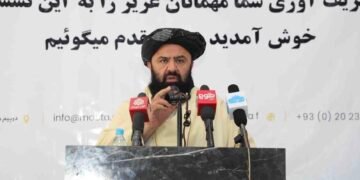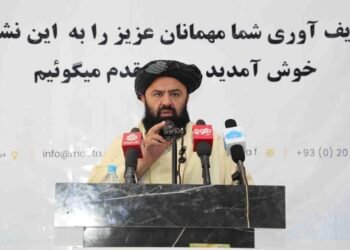


Omar Daudzai, rotating chair of the leadership council of the National Assembly for the Salvation of Afghanistan, has urged the United States to use its global influence to support reconciliation, stability and lasting peace in Afghanistan.
In a statement published on X on Friday, 15 Aqrab, Daudzai linked his appeal to the US midterm elections, saying the vote had once again demonstrated the ability of the country’s democratic system to reform, renew itself and respond to the will of the people.
He acknowledged that political polarisation, domestic divisions and challenges facing democratic institutions remain significant issues in the United States. Nevertheless, he said American citizens had reaffirmed the importance of democratic accountability and the collective power of their voices.
Daudzai argued that America’s strength should not be measured solely by its economic prosperity, military capabilities and international influence. He also pointed to the resilience of its institutions, the vitality of its democratic traditions and the role citizens play in shaping the country’s future.
He said Americans, like people elsewhere in the world, want peace, security, dignity and prosperity, and would prefer disputes to be resolved through diplomacy rather than confrontation and war.
Referring to more than four decades of conflict in Afghanistan, Daudzai said the country’s prolonged experience of war had made peace especially important to its people. He added that Afghans expect the United States to use its considerable influence not only to protect its national interests but also to contribute to reconciliation, stability and a sustainable peace in Afghanistan.
His appeal places renewed attention on the question of international engagement with Afghanistan and the role Washington might play in supporting a political process. However, Daudzai’s statement does not outline specific measures the United States should take or explain how reconciliation could be advanced under current conditions.
The challenge remains how diplomatic influence can be translated into a credible process involving Afghans and addressing the country’s political divisions. After decades of conflict, calls for peace carry considerable weight, but lasting progress would require a clear framework and meaningful participation by the people affected.