
Two Afghan women’s protest movements in Iran have called on the international community to increase pressure on the Taliban and reject efforts to normalize relations with the group, five years after the fall of the Afghan republic and the Taliban’s return to power.
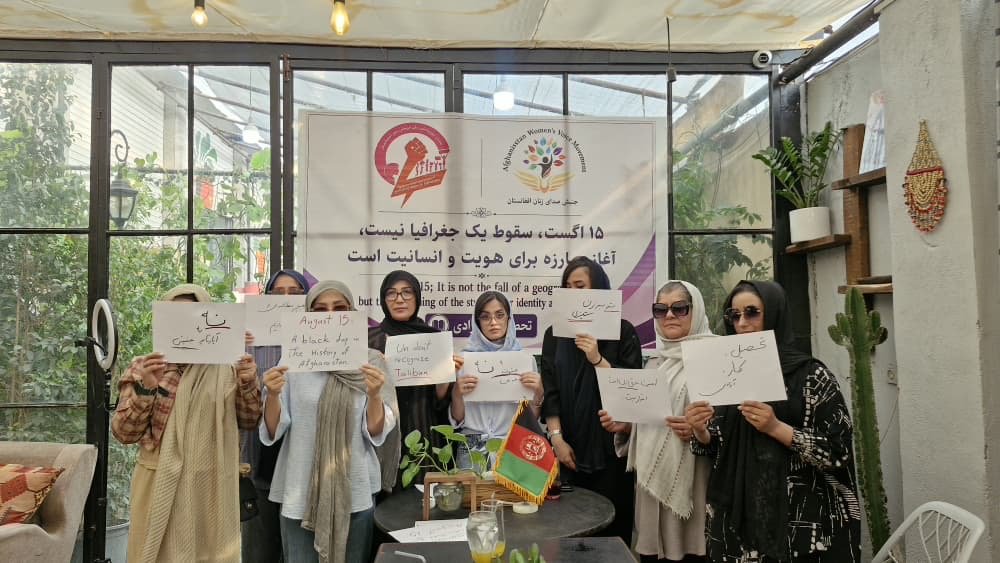
The “Voice of Afghan Women’s Movement” and the “Spontaneous Movement of Afghan Protester Women” issued a joint resolution in Tehran on August 15, 2026.
In the statement, the groups described the Taliban as an illegitimate group that lacks popular and international legitimacy. They condemned what they described as attempts to normalize relations with the Taliban, portray the group in a more favorable light or grant it diplomatic representation.
The women’s movements stressed that engagement with the Taliban should not amount to recognition of its rule or lead to the human rights situation in Afghanistan being overlooked.
They also called for “gender apartheid” in Afghanistan to be recognized as a legal framework for addressing restrictions imposed on women and girls.
The groups described the systematic exclusion of women from education, employment and public life as serious human rights violations and urged the United Nations and international human rights bodies to pursue cases involving Taliban leaders through international mechanisms.
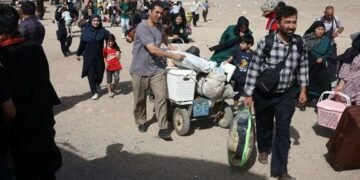
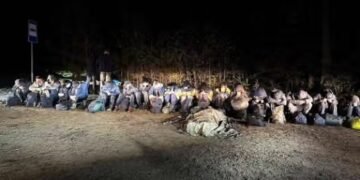
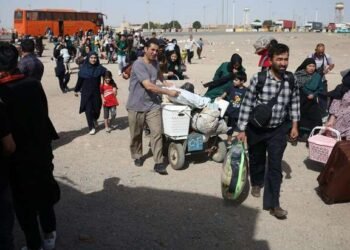
The resolution also addressed the situation of Afghan migrants and refugees. The groups called for greater protection for millions of Afghans living outside the country and urged host countries, particularly Iran, as well as international organizations, to avoid what they described as the political instrumentalization of Afghan refugees.
They called for the legal rights, human dignity and security of Afghan migrants to be protected.
The groups said five years of Taliban rule had failed to eliminate the Afghan people’s desire for freedom and justice.
They described the resolution not simply as a commemoration of the fifth anniversary of the fall of the republic, but as a renewed commitment to continued resistance until the end of Taliban rule and the establishment of a government based on free elections, social justice and equal citizenship.
The statement comes as divisions between the Taliban and sections of Afghan civil society and opposition movements remain unresolved five years after the group returned to power.
The status of women’s rights, international engagement with the Taliban and the treatment of Afghan migrants remain among the most contentious issues surrounding Afghanistan’s political and humanitarian crisis.