
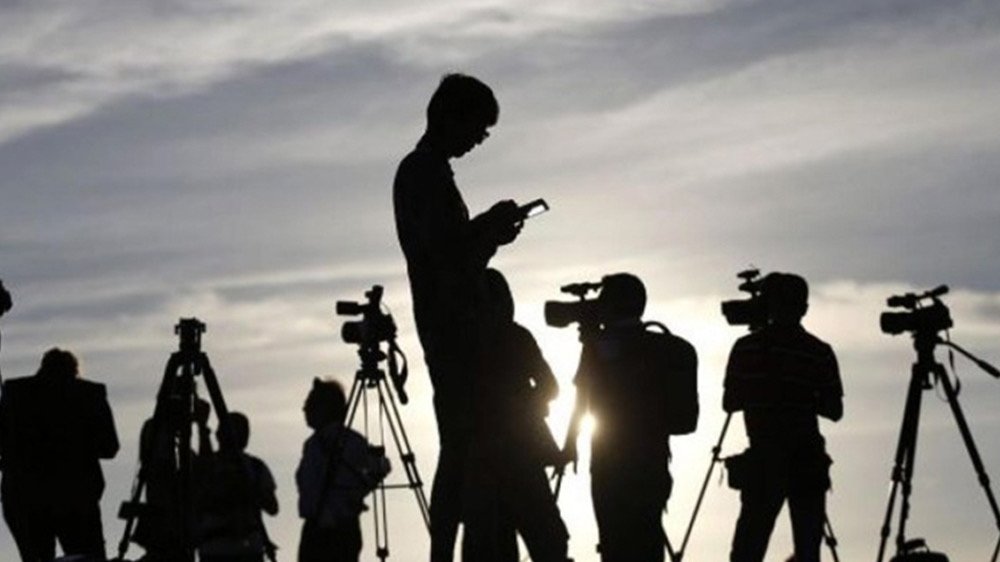
Five years after the Taliban returned to power in Afghanistan, journalists and media workers say growing restrictions have severely narrowed the space for independent journalism across the country.
Journalists speaking to NIMRUZ TV say censorship, limited access to information, restrictions on criticism and fears of arrest have forced many reporters to practice self-censorship, making it increasingly difficult to report events freely and independently.
They say pressure from the Taliban extends beyond newsrooms. Journalists also face concerns about expressing their personal views on social media, with some saying they fear that comments made on their private accounts could have professional or security consequences.
According to journalists interviewed by NIMRUZ TV, access to information has deteriorated significantly over the past five years. In some cases, they say, reporters are expected to publish information provided or approved by Taliban authorities rather than independently documenting events and reflecting developments as they occur.
The restrictions, journalists say, have affected not only the content of news reports but also the broader working environment. The possibility of arrest, questioning or other security consequences has become part of the daily decision-making process for many media workers.
Economic pressure has added another layer of difficulty. Journalists say shrinking employment opportunities and financial challenges have placed additional strain on Afghanistan’s media community, with many continuing their work despite increasingly difficult conditions.
Independent media outlets rely on access to information, field reporting and the ability to communicate with sources in order to provide the public with an accurate picture of events. Journalists warn that continued restrictions could further undermine those essential conditions.
They also caution that expanding self-censorship could create a growing gap between realities on the ground and the information available to the public.
Five years after the Taliban’s return to power, media freedom remains one of the major concerns surrounding human rights and civil liberties in Afghanistan. For independent journalism, the central challenge is no longer simply reporting the news, but determining how much of the reality can be reported without exposing journalists and their sources to serious consequences.