
New details about Donald Trump’s visit to Turkey last month indicate that U.S. security officials carried out a deception operation at Ankara airport amid concerns over a possible assassination attempt linked to Iran, according to The New York Post.
Trump left Turkey on July 8 after attending the NATO summit. In a carefully staged sequence, he first appeared before cameras as he boarded Air Force One, the U.S. presidential aircraft.
Minutes later, however, Trump reportedly exited through a rear door and was transferred to an airport catering truck. The vehicle then drove him across the airfield to a smaller military aircraft, a C-32A.
At the same time, journalists and some White House staff members who were unaware of the operation boarded Air Force One. They were reportedly instructed to lower the aircraft’s window shades, helping conceal the fact that Trump was no longer aboard.
According to The New York Post, only a limited number of senior U.S. military and security officials were aware of the operation, including Defense Secretary Pete Hegseth and General Dan Caine, chairman of the Joint Chiefs of Staff.
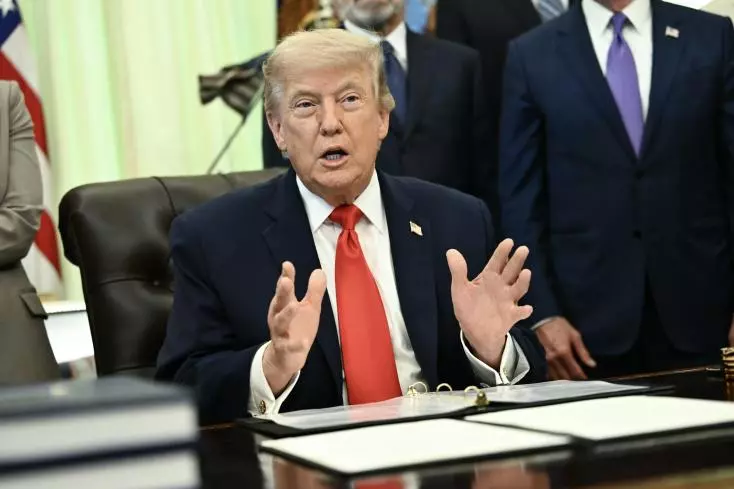
Trump later addressed reporters’ questions about the lowered window shades and made a joking reference to threats from Iran. He said he was a primary target of Iranian threats and suggested that the flight could have been dangerous.
The C-32A carrying Trump subsequently flew from Ankara to Royal Air Force Mildenhall in the United Kingdom. After a brief stop, Trump reportedly transferred back to the presidential aircraft and continued his journey to Washington.
If confirmed, the operation would illustrate the level of security concern surrounding the U.S. president during foreign travel, particularly amid heightened tensions between Washington and Tehran.
However, the available information does not establish that Iran had a specific operational plan to assassinate Trump. The account is based primarily on media reporting and statements attributed to officials familiar with the security arrangements, while no official U.S. disclosure has confirmed the existence of a specific Iranian assassination plot.
The reported deception therefore appears to have been a precautionary security measure rather than evidence, by itself, that an attack was imminent.