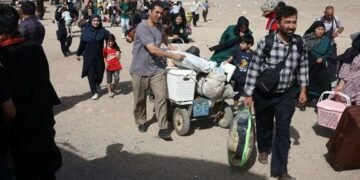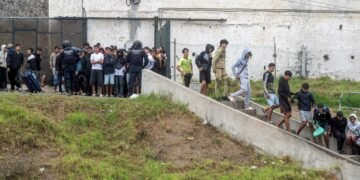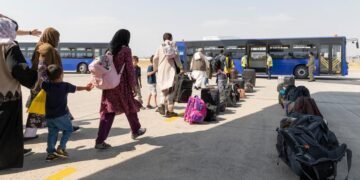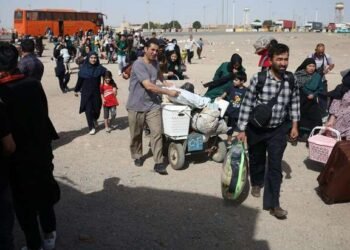

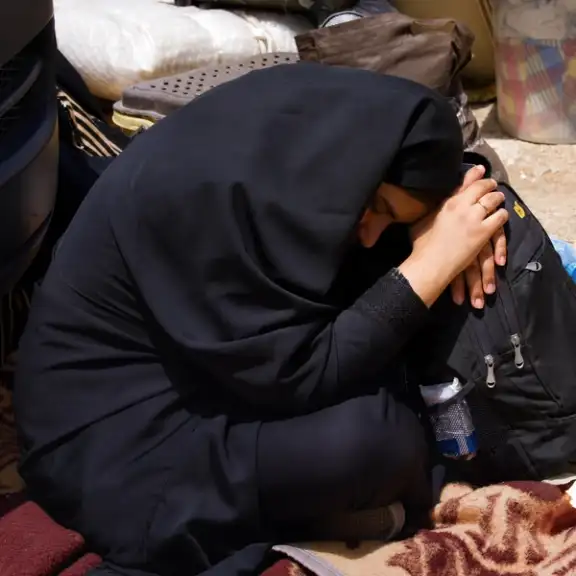
A human rights organization has raised fresh concerns over Iran’s ongoing campaign to organize and deport undocumented Afghan migrants, warning that women, children and other vulnerable people could face serious rights violations if their individual circumstances are not assessed before removal.
The Hana Human Rights Organization said deporting migrants without examining their personal circumstances and potential protection needs could result in violations of fundamental rights.
The organization has previously documented cases involving the detention, mistreatment and deportation of Afghans in Iran, as well as family separation and restrictions on access to identity documents and essential services.
Hana has expressed particular concern about children under the age of 18, arguing that the immigration status of their parents should not, by itself, be used as grounds to detain, separate or deport children.
According to the organization, decisions involving children should prioritize their best interests and preserving family unity.
Hana has also warned about the risks facing Afghan women and girls. It says deportation without an individual assessment of their circumstances—including gender-related risks, family situation and the absence of support networks in Afghanistan—could expose them to serious violations of their fundamental rights.
The organization has called on Iranian authorities to ensure that immigration enforcement does not result in collective deportations, family separation or the return of people to unsafe conditions. It says each person’s protection needs should be assessed before deportation.
Iranian authorities, however, say the policy is aimed at organizing the presence of migrants and returning Afghans who lack legal residency documents.
Ali Zeynivand, a spokesperson for Iran’s Interior Ministry, has said that around two million undocumented Afghans have left Iran since the beginning of the Iranian year 1404. He also said more than 200,000 Afghans had voluntarily left Iran since the beginning of the current year.
Zeynivand stressed that the campaign does not amount to the deportation of all Afghans and said those with valid residency documents can continue to remain in Iran, although they are required to cover part of the cost of certain services, including healthcare and subsidies.
The dispute is therefore less about whether Iran has the authority to enforce its immigration laws and more about how those laws are implemented—particularly when they affect people who may face serious risks after returning to Afghanistan.
The United Nations and humanitarian organizations have also warned about the consequences of large-scale returns to Afghanistan, where an economic crisis, widespread unemployment and reduced humanitarian assistance have left many returnees dependent on support for shelter, food, healthcare and livelihoods.
With deportations continuing, the central question remains whether undocumented Afghans will be treated as a single migration category or assessed individually according to their protection needs. Human rights groups argue that without such assessments, women, children and other vulnerable migrants could be returned to circumstances where they face serious and potentially irreversible harm.