
UN Women has reported that Afghanistan remains among the few countries where no measurable data is available on women’s participation in political institutions.
In its “Women in Politics 2026” report, which examines women’s representation in the political systems of 190 countries, Afghanistan is listed alongside Guinea and Myanmar under the category of “exceptional circumstances or unavailable data.”
According to the report, women hold an average of 27.4 percent of parliamentary seats worldwide. Afghanistan, however, is excluded from the global parliamentary rankings because it no longer has a functioning parliament and no official data on women’s representation is available.
The report also omits Afghanistan from global comparisons of women serving in national cabinets, placing it alongside North Korea and Myanmar among countries where accessible information on female cabinet members is unavailable.
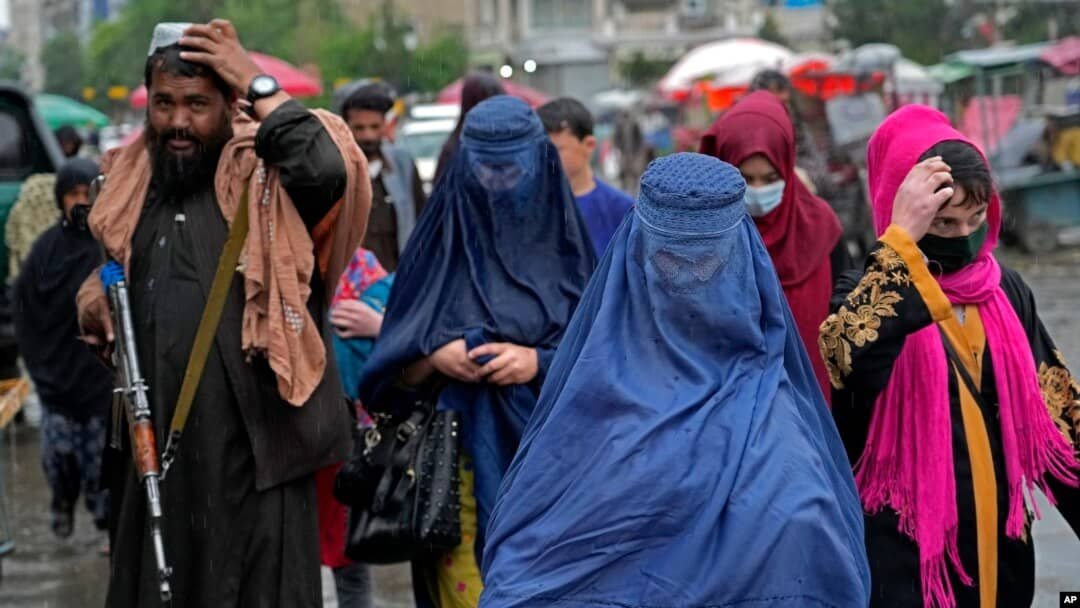
UN Women notes that before the Taliban returned to power in 2021, women held 68 of the 250 seats in Afghanistan’s House of Representatives—about 27 percent of the chamber. Following the Taliban’s takeover, women were removed from all formal political decision-making institutions.
The report further shows that globally only 10.6 percent of countries have a female head of state, while 10.9 percent have a female head of government.
Women’s rights experts say the complete exclusion of women from Afghanistan’s political institutions has made the country one of the few in the world where women have no formal role in political decision-making or national representation, widening the gap between Afghanistan and global trends in women’s political participation.