
A group of experts, human rights advocates and former Afghan officials has warned that continued Taliban restrictions on the education of girls and women could have profound social, economic and humanitarian consequences for Afghanistan’s future.
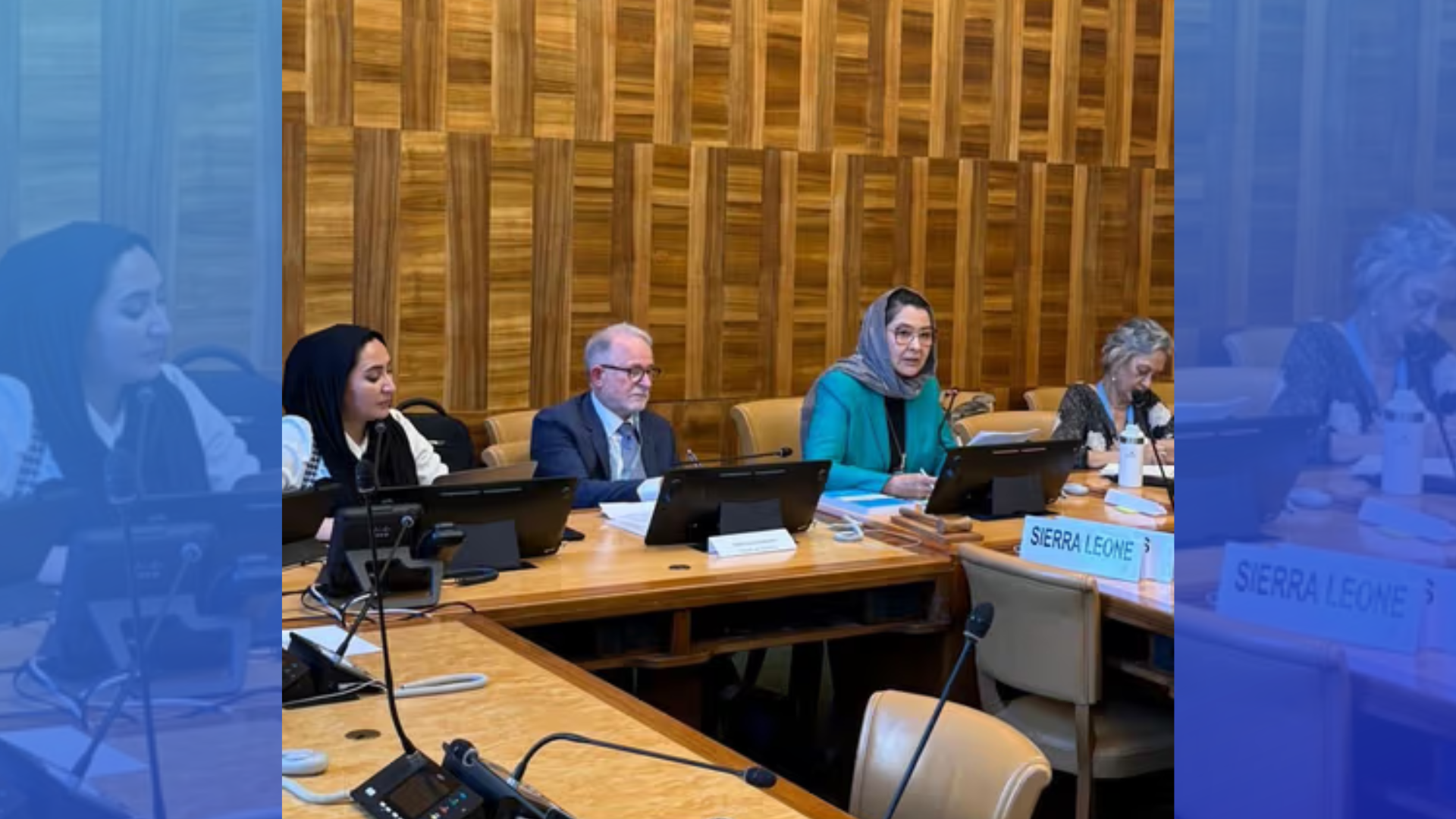
The concerns were raised during an event held in Geneva on the sidelines of the United Nations Human Rights Council session. The meeting was organized by the Human Rights Network Hamrah and featured the presentation of a report titled “Taliban Religious Schools: Ideological Consolidation, Gender-Based Persecution and the Future Stability of Afghanistan.”
Presenting the report’s findings, former Deputy Minister of the Independent Directorate of Local Governance, Taimur Sharan, said the number of religious schools in Afghanistan now exceeds the number of modern public schools.
According to Sharan, the trend is contributing to the institutionalization of gender discrimination and the continued exclusion of girls from formal education.
Farida Shaheed, the United Nations Special Rapporteur on the Right to Education, warned that educational conditions for Afghan girls and women are likely to deteriorate further unless effective international measures are taken.
Richard Bennett, the UN Special Rapporteur on the situation of human rights in Afghanistan, described the state of education in the country as deeply concerning and called for stronger efforts to support modern education and challenge restrictions imposed on learning opportunities.
Human rights researcher Fereshteh Abbasi stressed the importance of protecting Afghan girls’ right to education and urged the international community to take more practical steps in defense of this fundamental right.
Former Afghan Minister of Public Health Suraya Dalil also warned that excluding women from education and employment would have long-term consequences for Afghanistan’s economy, healthcare system and social development.
Participants at the event called on governments, international organizations and human rights institutions to increase pressure and adopt more effective measures to protect access to education for Afghan girls.
The discussion comes as Afghanistan remains the only country in the world where girls are broadly prohibited from attending secondary schools and universities, a policy that continues to draw widespread international criticism.
From Nimruz TV’s perspective, the debate in Geneva reflects growing concern among international experts that restrictions on girls’ education are no longer viewed solely as a human rights issue but increasingly as a challenge with far-reaching implications for Afghanistan’s economic development, social stability and future human capital.