

Asad Qaiser, a member of Pakistan’s National Assembly from the Pakistan Tehreek-e-Insaf (PTI) party, has announced that a Grand Jirga will be held in July to address the challenges caused by prolonged border closures with Afghanistan and explore ways to revive trade between the two neighboring countries.
Speaking at a meeting with Pakistani business leaders and representatives of chambers of commerce, Qaiser said continued restrictions at border crossings have inflicted significant damage on Pakistan’s economy and pushed many businesses into crisis.
According to him, the planned gathering will bring together stakeholders from the trade, industry and economic sectors to discuss sustainable solutions for restoring commercial activity and improving regional connectivity.
Qaiser stressed that Pakistan will continue to face economic stagnation and reduced business activity until trade routes with Afghanistan and Central Asian countries are fully reopened.
He also called for separating political disputes from economic relations, arguing that ordinary citizens, traders and businesses should not bear the consequences of political disagreements between governments.
Meanwhile, officials from the Torkham Chamber of Commerce say the continued disruption of border crossings has left approximately two million people without work and caused losses estimated at nearly 278 million dollars for traders.
According to reports, around 50 percent of economic activity in Pakistan’s Khyber Pakhtunkhwa province has been affected by the prolonged restrictions. Some companies and business owners have reportedly relocated operations to other parts of the country to minimize losses.
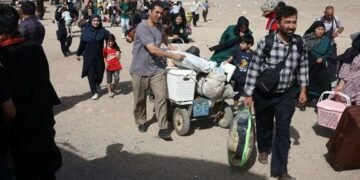
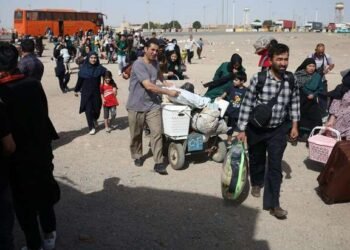
The border crossings between Afghanistan and Pakistan have faced repeated closures and severe restrictions for nearly eight months following military tensions and clashes between Pakistani forces and the Taliban.
The disruption has significantly affected trade flows, transit routes and economic activity on both sides of the border, raising concerns among business communities about the long-term impact on regional commerce.
From Nimruz TV’s perspective, the issue extends beyond bilateral trade. The continued closure of key transit routes threatens broader regional economic integration, particularly Pakistan’s access to Central Asian markets and Afghanistan’s role as a strategic transit corridor. Many analysts argue that without stable border management and predictable trade policies, economic recovery efforts in both countries will remain under pressure.