
Iran’s financial markets have reacted strongly to the recently announced memorandum of understanding between the Islamic Republic of Iran and the United States, with the national currency gaining significant value and the Tehran Stock Exchange reaching new highs.
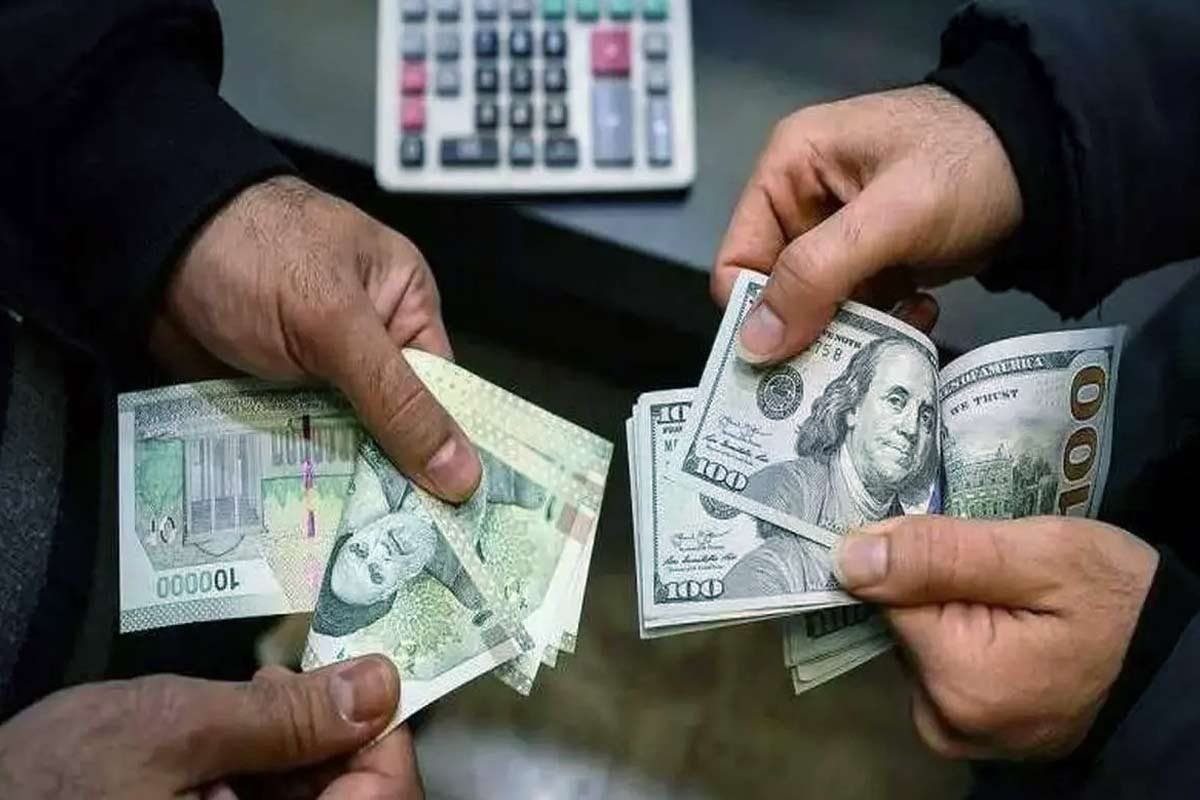
According to a report by Al Jazeera, the Iranian rial has strengthened by more than 15 percent against the U.S. dollar since the signing of the memorandum, reflecting growing investor optimism about the country’s economic outlook.
The development follows months of sharp volatility in Iran’s financial markets. The report notes that the dollar exchange rate climbed to around 190,000 tomans after the outbreak of conflict earlier this year, before trading near 168,500 tomans ahead of the latest diplomatic developments.
Al Jazeera says expectations of reduced political tensions and the prospect of improved relations between Tehran and Washington have increased confidence among investors and contributed to the appreciation of the rial.
However, the report stresses that the positive market reaction has not yet translated into noticeable improvements in the daily lives of ordinary Iranians.
Food prices and essential goods remain expensive, while many households continue to struggle with the effects of years of inflation, declining purchasing power and broader economic hardship.
Economic analysts argue that although financial markets have welcomed the diplomatic breakthrough, meaningful improvements in living standards will require time, sustained economic stability and the practical implementation of commitments outlined in the memorandum.
Experts also note that the long-term benefits of any political agreement will depend on factors such as the easing of economic restrictions, expansion of international trade, increased investment and successful efforts to control inflation.
As a result, while currency and stock markets have responded positively to recent developments, many citizens remain focused on whether the agreement will eventually lower everyday costs and improve economic conditions.
The contrast between financial market optimism and continued pressure on household budgets highlights the broader challenge facing Iran’s economy as it enters a potentially new diplomatic and economic phase.