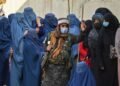

Women and residents in Afghanistan’s western province of Herat have condemned the Taliban’s latest enforcement campaign targeting women’s clothing, describing the measures as unfair, punitive, and incompatible with the province’s cultural and social traditions.
The criticism comes as Taliban authorities intensify efforts to enforce stricter dress regulations for women in public spaces, triggering growing concern among residents and rights advocates.
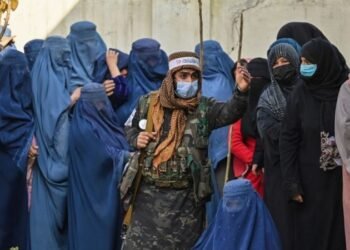
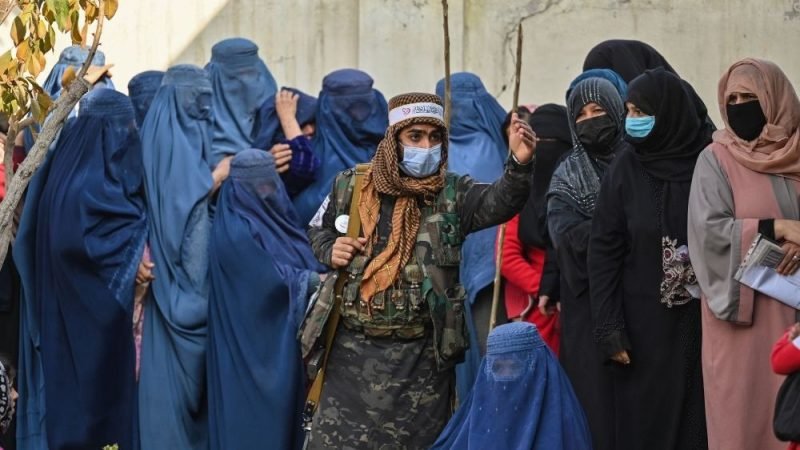
Local sources say Taliban officers launched a large-scale operation across several districts of Herat on Saturday, targeting women accused of failing to comply with what authorities describe as the required Islamic dress code.
According to local reports, more than 20 women were detained in a single area of the city alone. Sources familiar with the operation said the arrests were carried out under a recently introduced directive that authorizes the detention of women whose clothing is deemed inconsistent with Taliban standards.
In a statement circulated by a group of women and residents from Herat, signatories argued that subjective restrictions and rigid interpretations of social rules do not reflect the city’s historical identity and cultural traditions.
They further warned that the measures are increasing social and psychological pressure on women, many of whom already face significant limitations on education, employment, mobility, and participation in public life.
Critics say the latest enforcement campaign represents another step in narrowing women’s presence in Afghan society. They argue that arresting women because of their appearance raises serious concerns about personal freedoms, individual rights, and the expanding role of state oversight in everyday life.
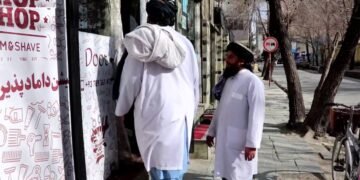
Herat has frequently been at the center of reports involving restrictions on women since the Taliban returned to power in 2021. Residents have repeatedly reported the establishment of checkpoints, inspections of families and vehicles, and detentions linked to dress code enforcement.
Human rights organizations have consistently expressed concern over policies affecting Afghan women and girls, warning that cumulative restrictions have significantly reduced their access to education, employment, and public participation.
The latest developments highlight one of the most contentious issues in Afghanistan’s relationship with the international community. Women’s rights remain a central point of disagreement between the Taliban and many foreign governments, international institutions, and rights groups.
Beyond the immediate arrests, the controversy reflects a broader debate over the future role of women in Afghan society. Supporters of stricter enforcement argue that such measures are necessary to uphold their interpretation of religious and social values. Critics counter that expanding restrictions risk further isolating women from public life and deepening Afghanistan’s growing divide with international human rights standards.
As enforcement intensifies in Herat, the issue is increasingly becoming not only a question of clothing regulations but also a wider test of personal freedoms, social participation, and the direction of governance in Afghanistan.