
The United States has imposed sanctions on an Afghan businessman, multiple companies, and several vessels allegedly involved in facilitating Iranian energy exports, underscoring Washington’s continued efforts to disrupt networks accused of helping Tehran bypass international sanctions.
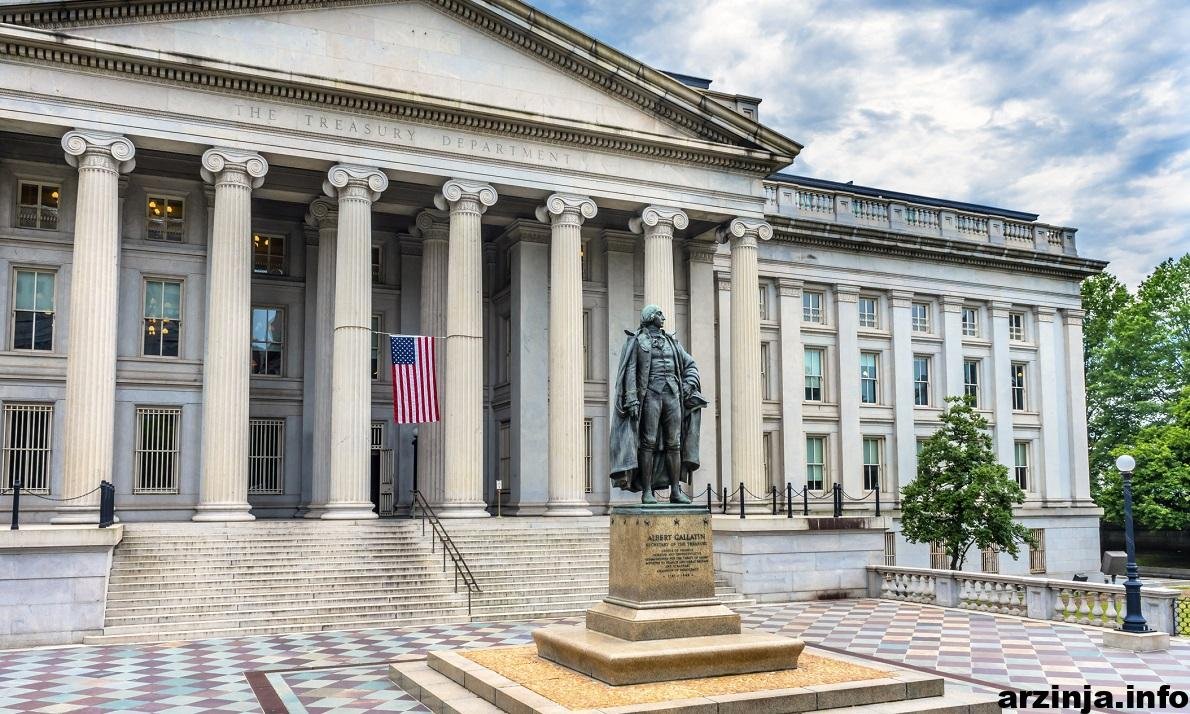
The U.S. Treasury Department’s Office of Foreign Assets Control (OFAC) announced that Afghan national Sarbaz Abdulzadeh and Turkish citizen Mohammad Shakool Mahendost, also known as Haji Shakur, were sanctioned for their alleged involvement in a network that facilitated the export of Iranian liquefied petroleum gas (LPG).
According to the Treasury Department, the two men operated a series of front companies based primarily in the United Arab Emirates and used them to support the shipment and sale of millions of barrels of Iranian LPG to customers in South and East Asia.
U.S. officials claim the network generated tens of millions of dollars in transactions and helped sustain a key source of revenue for Iran’s energy sector.
“The United States remains committed to disrupting networks that generate revenue for the Iranian regime through the sale of petroleum and petroleum products,” the Treasury Department said in announcing the measures.
Washington alleges that the sanctioned entities used companies registered in multiple jurisdictions to facilitate transportation, sales, and financial transactions linked to Iranian energy exports.
In addition to Abdulzadeh and Mahendost, the sanctions target several companies located in the United Arab Emirates and China, shipping firms involved in maritime transport, and multiple vessels allegedly used to carry Iranian LPG.
The Treasury Department stated that the individuals and entities were designated for operating in, or providing support to, Iran’s petroleum and petrochemical sectors.
Under U.S. sanctions regulations, any assets belonging to the designated individuals or companies that fall within U.S. jurisdiction are blocked. American citizens and businesses are also prohibited from conducting transactions with those listed unless authorized by the U.S. government.
The latest action forms part of a broader U.S. strategy aimed at limiting Iran’s ability to generate revenue from oil, gas, and related energy exports. In recent years, Washington has repeatedly sanctioned shipping networks, intermediaries, traders, and companies accused of helping Iran circumvent economic restrictions.
The move highlights the increasingly international nature of sanctions enforcement, with authorities focusing not only on Iranian entities but also on foreign nationals, logistics firms, and commercial networks operating across multiple countries. Such measures reflect Washington’s view that restricting access to global transportation and financial channels is essential to enforcing sanctions policy.
While U.S. officials argue that these actions are intended to increase economic pressure on Tehran, critics of sanctions policies often contend that broad restrictions can have wider economic implications beyond their intended targets. Regardless of those debates, the latest designations demonstrate that the United States continues to prioritize the identification and disruption of international networks it believes are supporting Iranian energy exports and providing revenue to the Iranian government.