
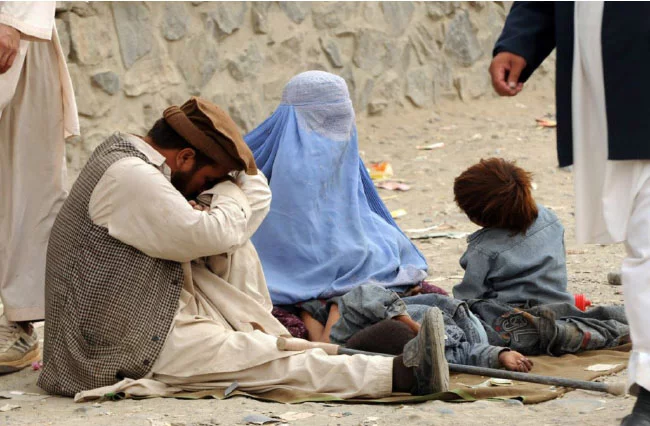
A shocking BBC report from Afghanistan’s Ghor province says worsening poverty, unemployment, and the gradual collapse of healthcare and basic living conditions are forcing some families to sell their children in order to survive.
In the report, a resident identified as Saeed Ahmad said he was forced to sell his five-year-old daughter, Shayeqa, after she developed appendicitis and a liver cyst and he could no longer afford her treatment.
According to him, the cost of the child’s surgery was paid from the 200,000 Afghanis received through the agreement.
“If I had money, I would never have made this decision,” he said. “But I thought if she dies without surgery, what then? At least this way she stays alive.”
The BBC also documented accounts from other families struggling with severe hunger and unemployment.
Juma Khan, a 45-year-old daily laborer, said he had found work only three days in the past six weeks and that his children were going to sleep hungry.
Another father, Abdul Rashid Azimi, said he was prepared to sell his twin daughters in order to keep the rest of his family alive.
Their mother reportedly said the family’s only food was “bread and hot water.”
The report also described rising child deaths linked to malnutrition and the collapse of healthcare services.
BBC journalists visiting a cemetery in Ghor said children’s graves appeared to outnumber those of adults by nearly two to one.
At the main hospital in Chaghcharan, the neonatal ward was described as the busiest section, with nurses saying deaths caused by low birth weight and malnutrition had become “almost routine.”
According to the report, Afghanistan’s humanitarian crisis has deepened due to sharp reductions in international aid, widespread unemployment, and a weakened healthcare system.
The United Nations previously stated that three out of every four Afghans are unable to meet basic living needs and that more than 80 percent of families are in debt.
The Taliban, however, argue that the current crisis is the legacy of what they call the “artificial economy” created during the U.S. presence in Afghanistan, while insisting humanitarian aid should not be politicized.
Analysts and human rights organizations warn that continued economic collapse, social restrictions, and declining international support could push Afghanistan into an even more catastrophic humanitarian situation.
Observers say the report reflects not only extreme poverty, but the broader breakdown of social safety systems that once helped vulnerable families survive.