
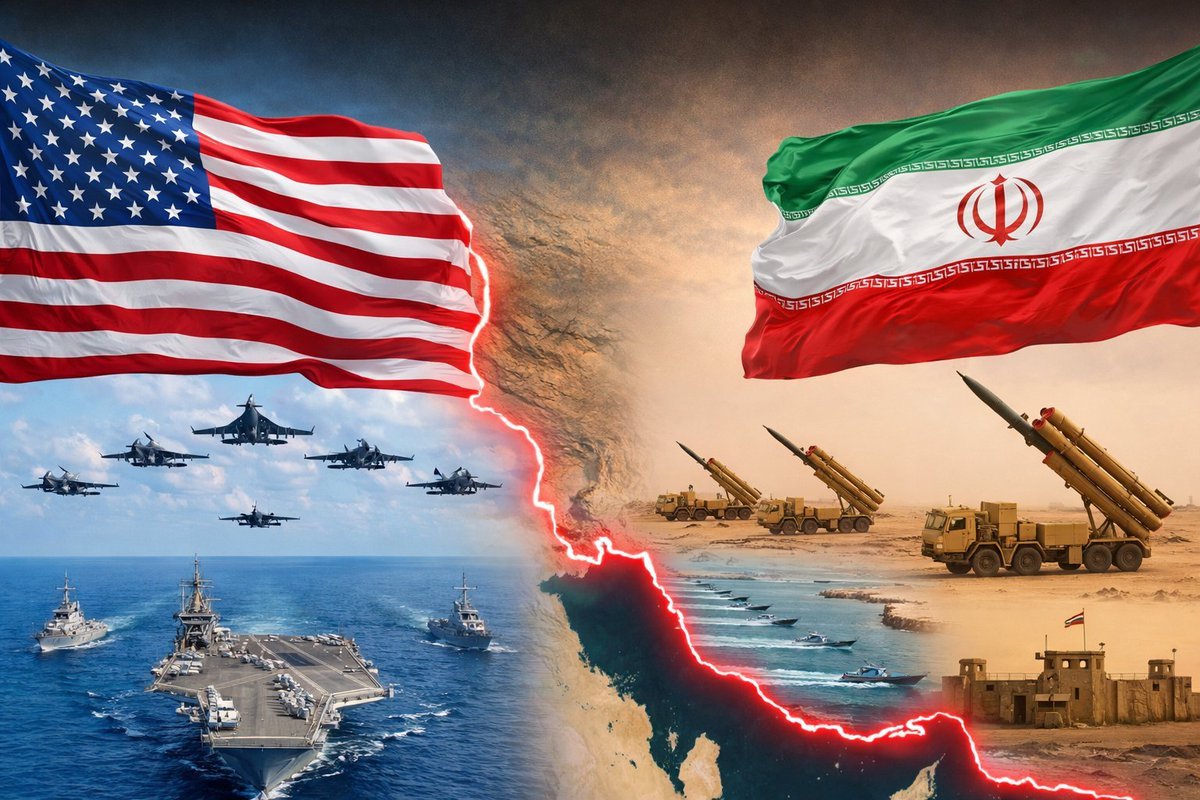
Fresh signs of escalating tensions are emerging across the Middle East as negotiations between the United States and Iran remain deadlocked.
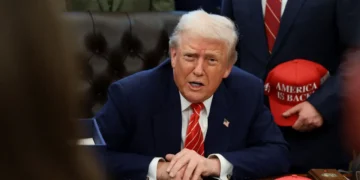
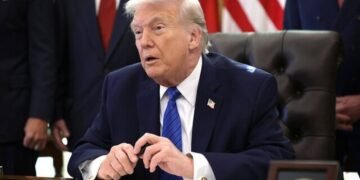
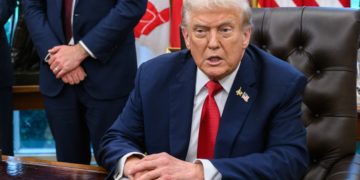
US President Donald Trump has warned that “time is running out” for Iran, while Israel has signaled readiness for a possible return to war.
At the same time, Saudi Arabia and the United Arab Emirates have reportedly faced new drone-related security incidents.
Israeli media reported that the Israeli military has entered a heightened state of alert and may target Iranian energy infrastructure if new US-led attacks begin.
Reports also indicate that dozens of US cargo aircraft carrying military supplies have arrived in Tel Aviv from bases in Germany.
Israeli outlets described the shipments as part of preparations for a possible renewed conflict with Iran.
Pressure is also increasing inside the United States for a tougher approach toward Tehran.
Republican Senator Lindsey Graham urged Trump to target Iran’s energy infrastructure if military operations resume.
He argued that the United States should inflict “greater damage” on Iran in order to force Tehran to accept Washington’s nuclear negotiation conditions.
Iranian officials have responded with increasingly harsh rhetoric.
Mohsen Rezaei, former commander of Iran’s Revolutionary Guard, warned that Iranian armed forces have their “finger on the trigger,” while also stating that diplomatic channels remain open.
Meanwhile, Iranian authorities announced that the Strait of Hormuz is now under direct military control of the Revolutionary Guard and that ships must coordinate passage with Iranian forces.
Saudi Arabia also reported that its air defenses intercepted three drones entering its airspace from Iraq.
The United Arab Emirates announced a drone-related incident near the Barakah nuclear facility, stating that while a generator fire occurred, radiation levels remained normal.
Diplomatic efforts also appear stalled.
Trump wrote on Truth Social that “the clock is ticking for Iran” and shared multiple posts related to war with Iran and the situation in the Strait of Hormuz.
US outlet Axios reported that Trump has discussed military options against Iran with national security advisers.
At the same time, Israeli Prime Minister Benjamin Netanyahu reportedly held a special security meeting focused on developments involving Iran, Lebanon, and Gaza.
Analysts warn that the current trajectory could push the Middle East toward a more dangerous phase involving direct military confrontation, energy disruptions, and broader global economic consequences.
Observers say the combination of military mobilization, regional drone incidents, threats against energy infrastructure, and stalled diplomacy suggests the crisis is moving beyond psychological pressure toward operational military positioning.